Commentary
Moving into 2026, many investors were anticipating a relatively smooth fixed income environment for the year. The global economy appeared to show potential for moderate but sustained growth while disinflation was progressing, suggesting the potential for further interest rate cuts across developed markets. However, the road for markets soon became far more challenging.
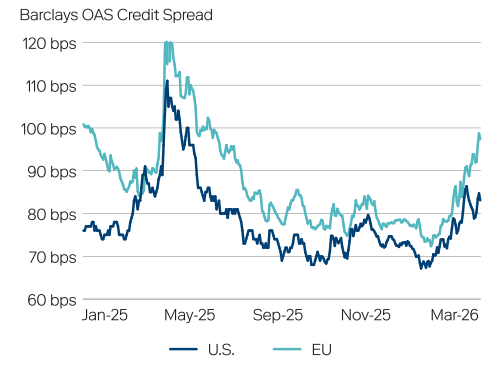
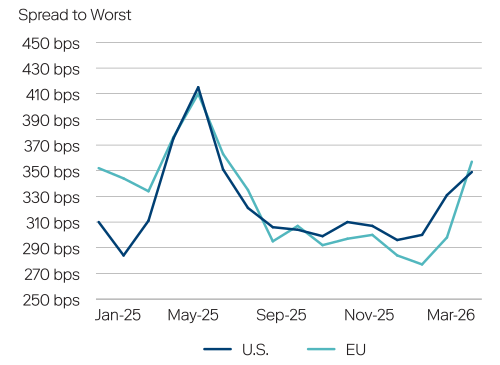
Early in the first quarter, increased pessimism around the ability of software companies to survive accelerating AI capabilities led to wider credit spreads in the segment, particularly within the high yield space. The new scrutiny fed into worries about credit weakness in Business Development Companies (BDCs) and potential for broader contagion.
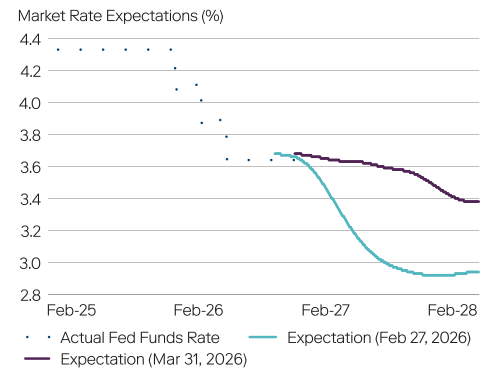
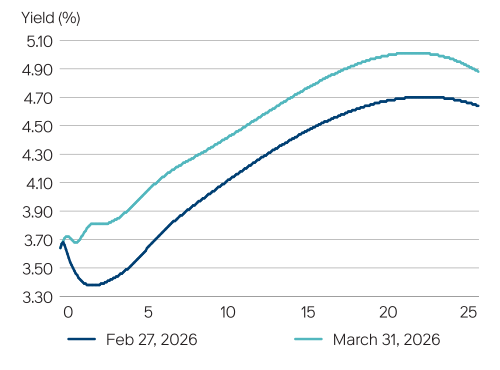
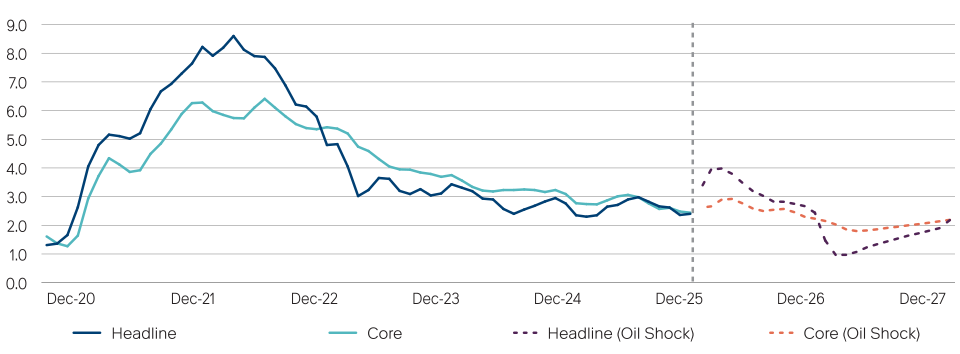
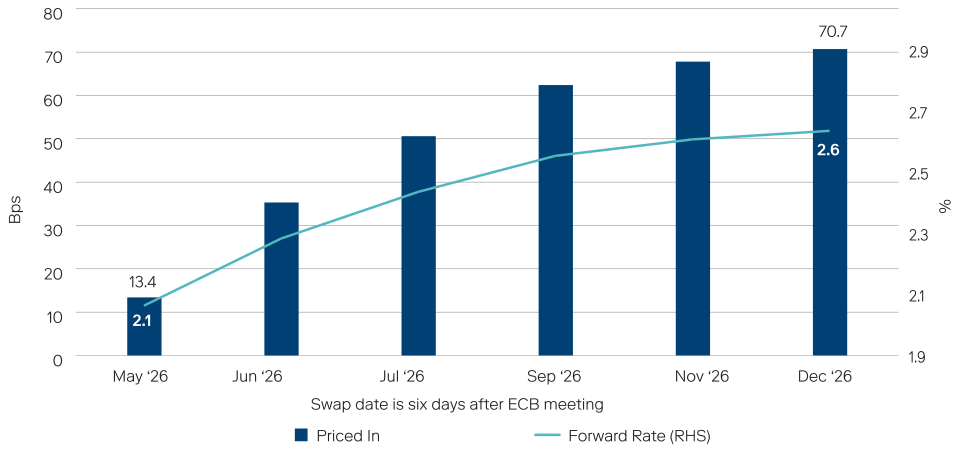
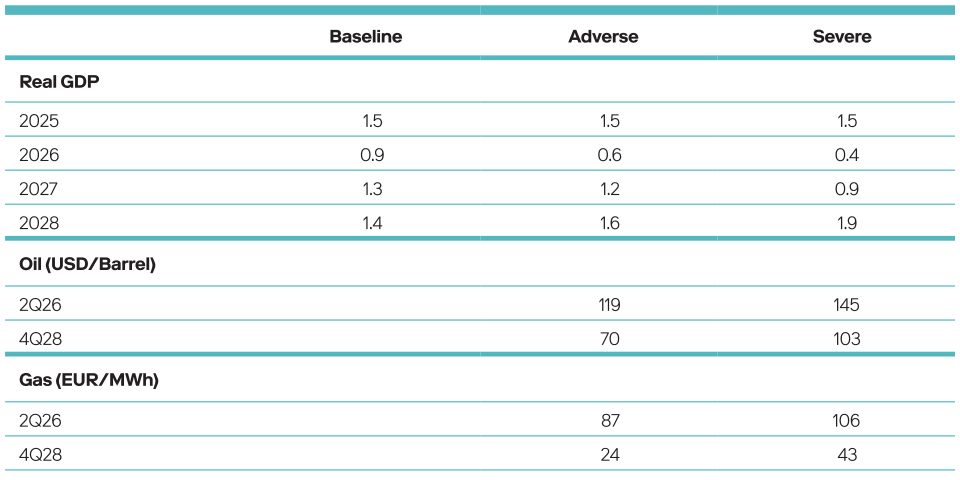
However, the truly seismic development was the start of the Middle East war on February 28, where the U.S. and Israel sought to degrade Iran’s nuclear and conventional military capability, and potentially institute regime change. Iran’s subsequent attacks on its neighbors and the Strait of Hormuz brought shipping through the Strait to a virtual standstill, and contributed to a spike in oil prices. Assuming the potential for renewed inflation and, thus, policy rate hikes, market yields increased sharply, while credit spreads rose, although not to levels seen during last year’s April tariff sell-off. As of this writing, market conditions had eased somewhat after agreement to a temporary ceasefire, even as the Strait remained blocked, but oil and yields remained above pre-crisis levels.
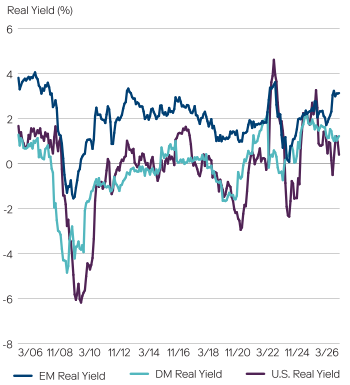
From our perspective, investors appear to be underestimating the potential for increased oil prices to dampen economic growth, thus offsetting the inflationary impact of those price increases. Once the current crisis begins to recede, we think central banks will move to a more accommodative stance—suggesting duration opportunity at the shorter end of the yield curve. As for credit, we don’t think spread-widening has been extensive enough to provide a strong buy signal. Instead, careful assessment of opportunities, whether the elevated real yields in emerging markets or mispricing among high yield software names, will remain essential.
We present our investment themes for the current quarter below.