With inflation continuing to improve, the downward path of central bank rates remains on track, if uneven geographically given U.S. economic strength. Now, amid political turbulence, attention is shifting toward fiscal issues—spending and tax policy—that could affect issuance patterns and yields, particularly at the longer end of the curve. We are constructive on fixed income for 2025, seeing potential in shorter durations and in optimizing carry amid narrow credit spreads. At the same time, the unpredictability of political cycles could make for an eventful year that requires vigilance in guarding against risk.
Commentary
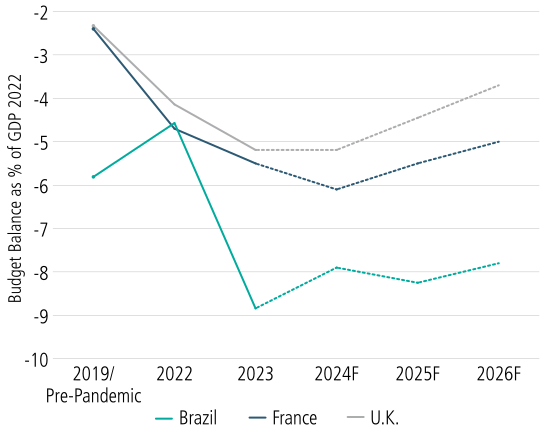
After several years of fixed income markets driven largely by central bank policy, attention will likely focus more this year on fiscal actions—policy and revenue decisions by the new Trump administration as well as those other governments reorienting their priorities or beset by financial strains.
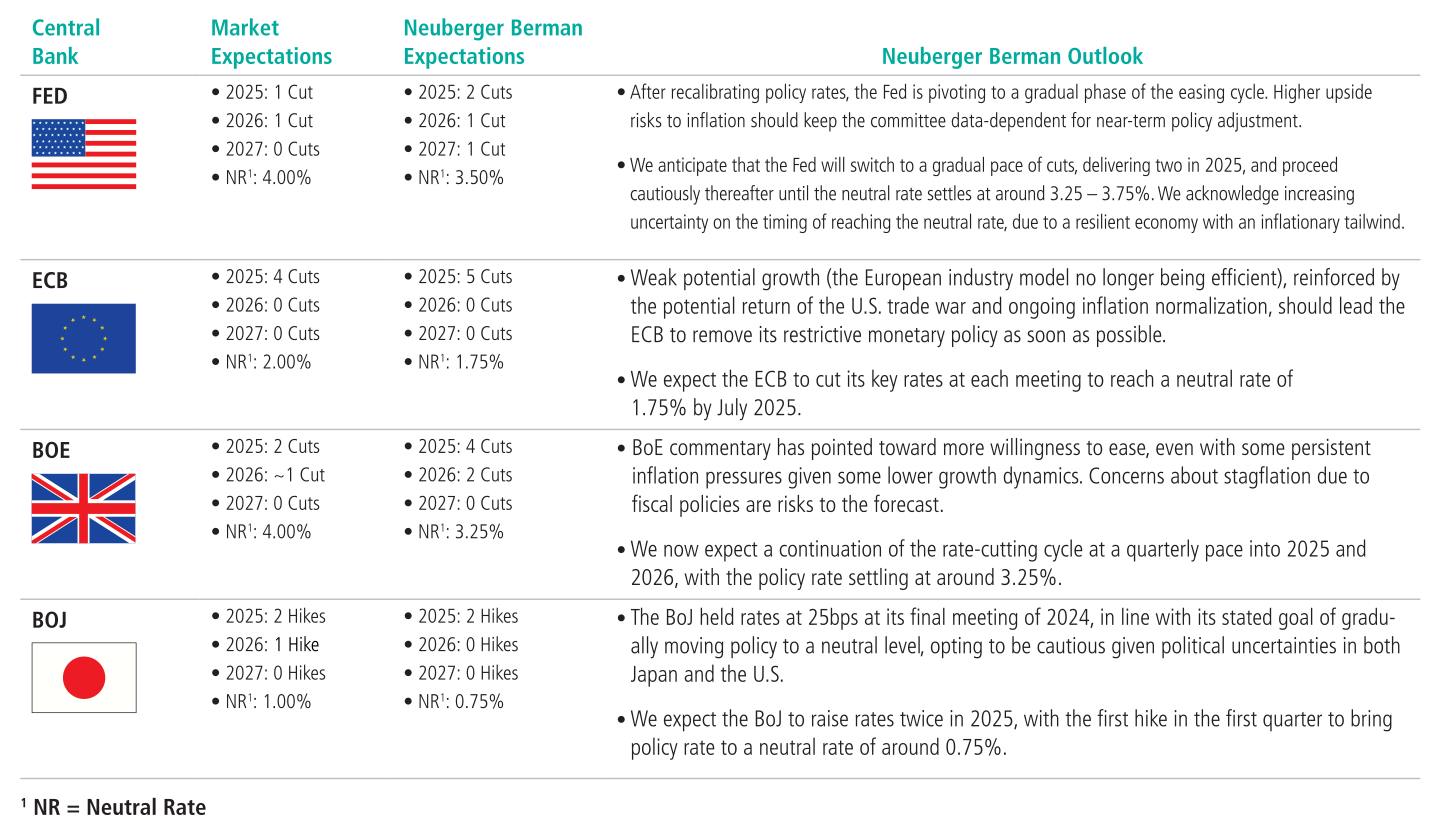
Ever since COVID-19, investors have focused largely on central banks for clues as to fixed income performance, from instituting zero-rate policy and financial liquidity to maintain the global economy during the pandemic, to tightening to offset the inflation surge of 2021 and 2022, to the widely anticipated start of the current easing cycle. With inflation continuing to recede, we are moving into a period of gradual central bank rate reductions.
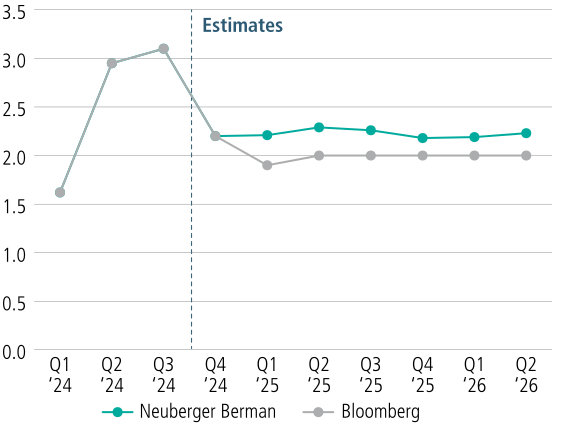
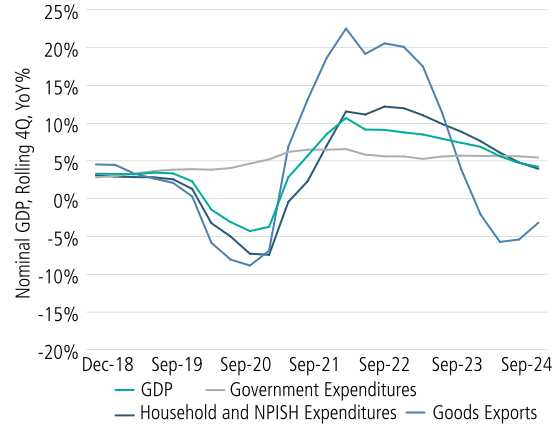
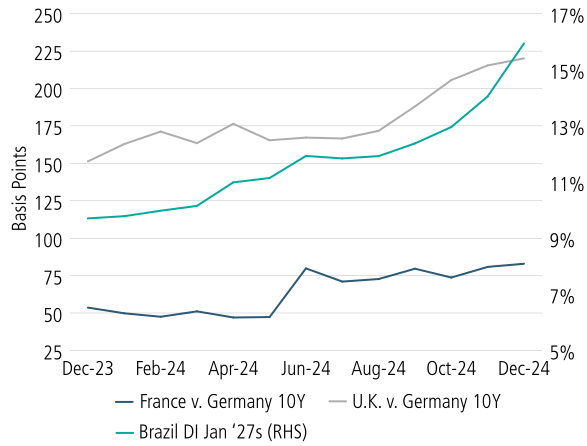
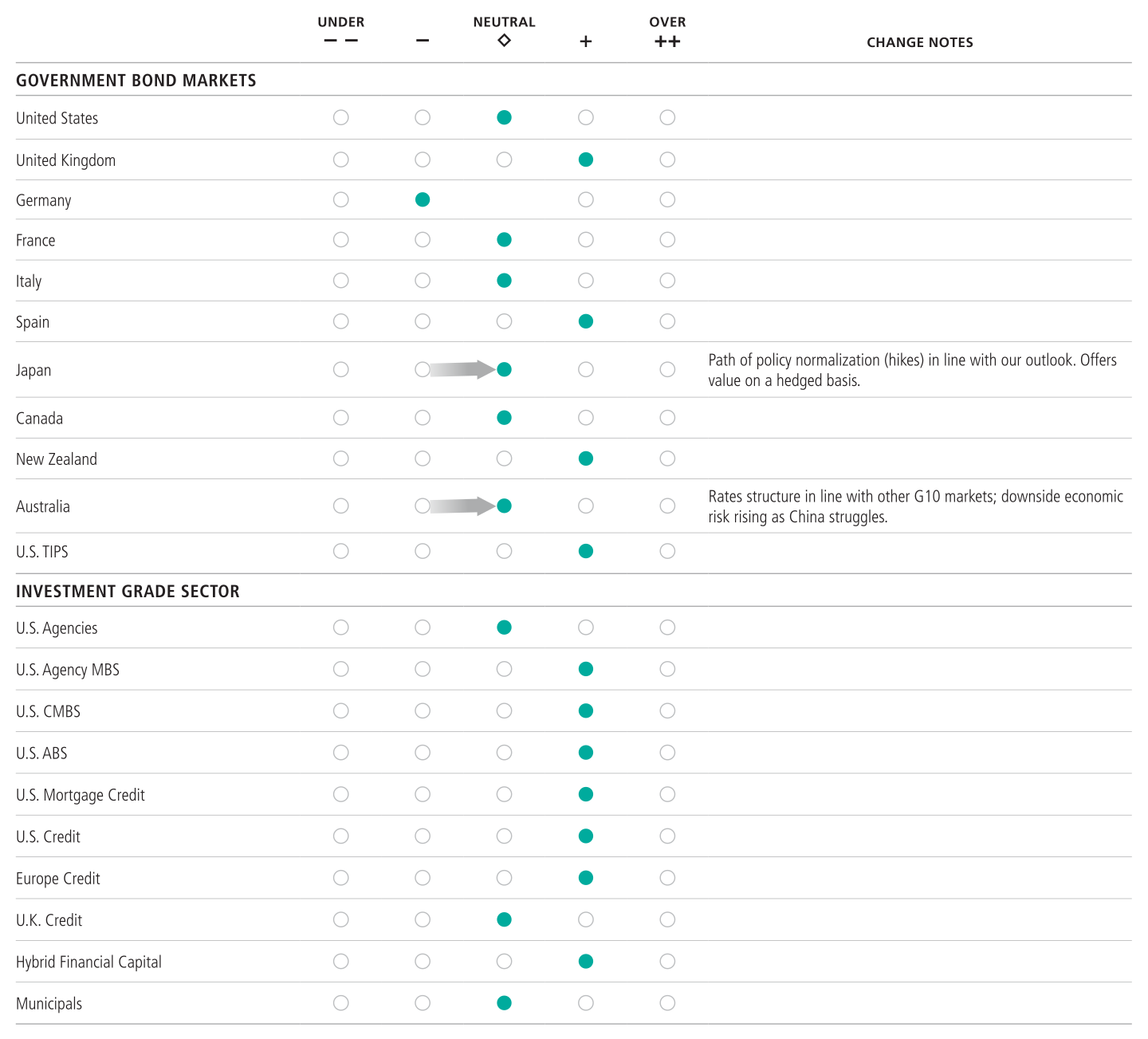
The U.S. stands out for its relatively robust growth, which we believe could surprise modestly to the upside this year. However, slow progress on inflation may limit the Federal Reserve’s capacity to cut interest rates further. Europe appears more vulnerable to a stilted export environment, particularly to China, but with more wriggle room for easing. At the same time, anxiety is growing around the long-term fiscal picture in the U.S. and select other countries, which could pressure longer-term rates and help steepen the yield curve. Given the upward adjustment in longer yields late last year, the chances of further rate shocks appear limited. However, we remain relatively cautious on duration, seeing opportunities for trading more at the shorter end of the curve.
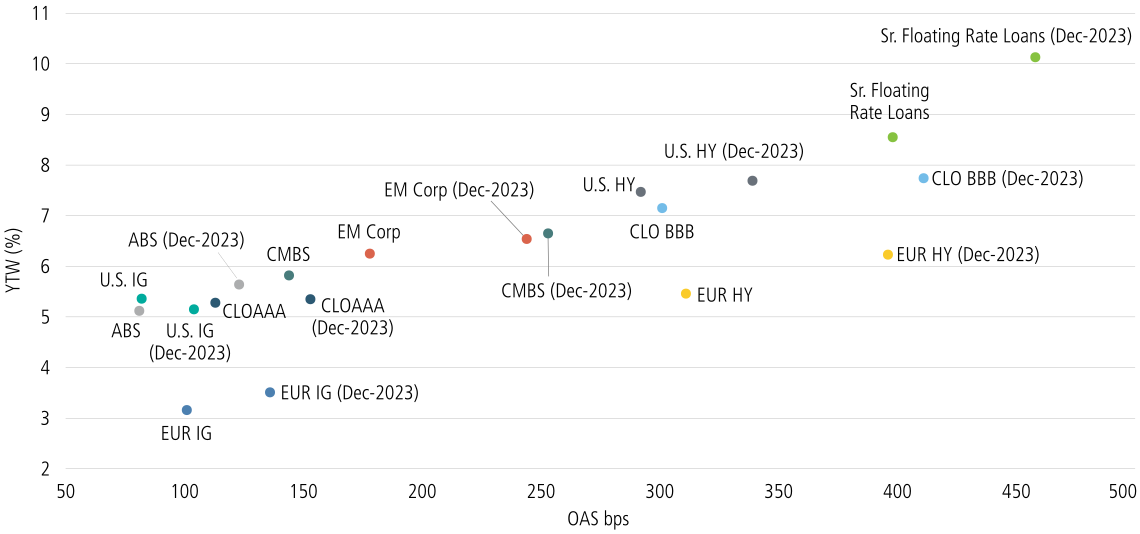
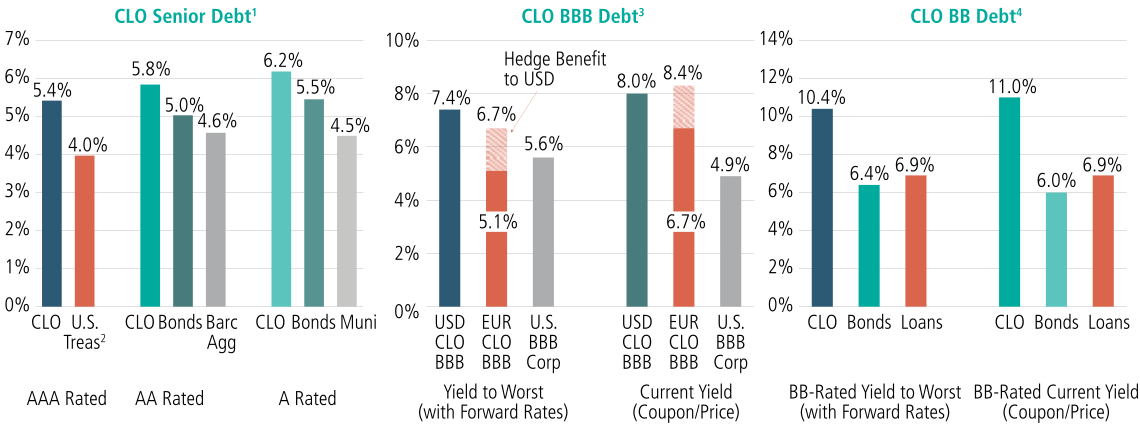
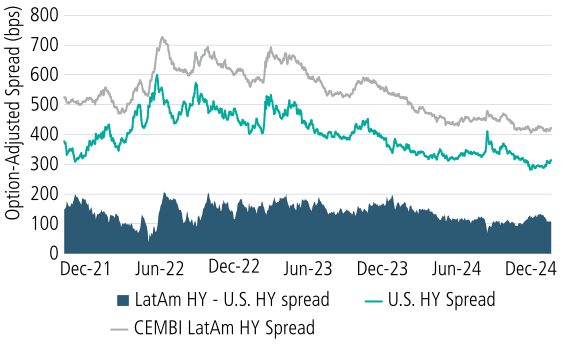
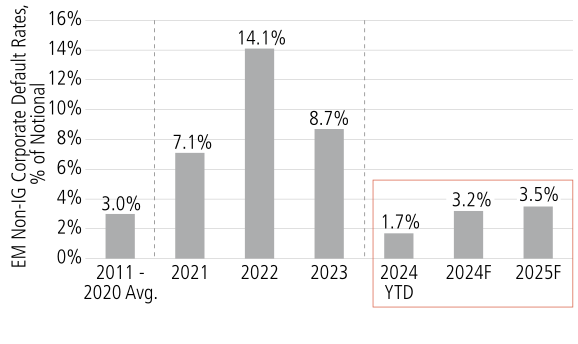
In the credit market, all-in yields remain robust, but spreads are exceptionally narrow, with few areas displaying the obvious dislocations seen a year ago. This limits the value of credit exposure overall while reinforcing the benefits of identifying value to maximize carry. Floating rate loans and some segments of the emerging markets universe, among others, currently meet this criterion.
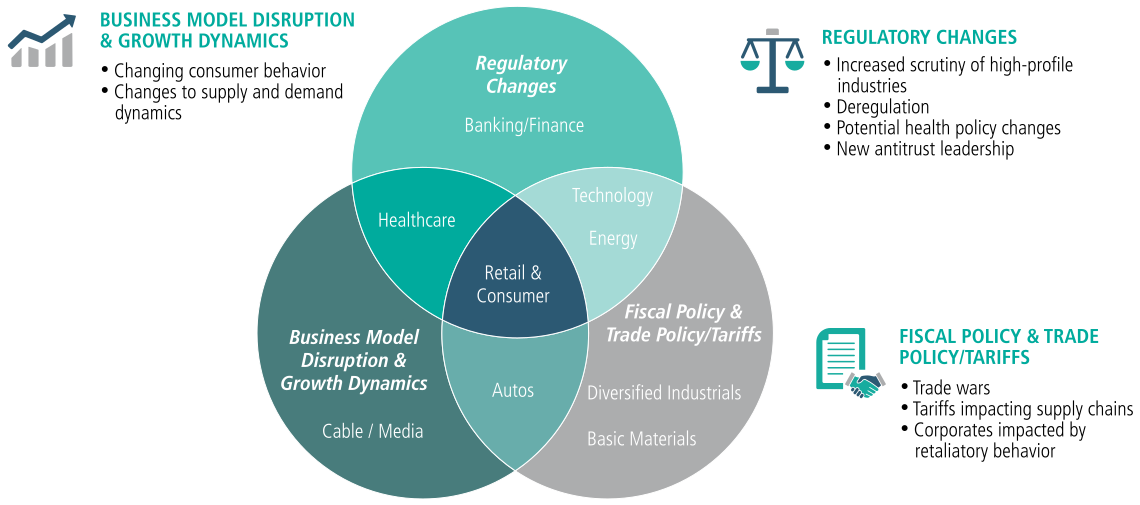
In some ways, the coming year may prove trickier for investors than 2024, as the past high-conviction idea of lower central bank rates has been displaced by political dynamics and questions around the longer-term course of government budgets and interest rates. In the U.S., looming policy shifts, including potential changes to taxes and the use of tariffs, could heighten market volatility and will likely be an ongoing consideration throughout 2025.
Our key market and investment themes appear below.