The Trump administration’s announced tariffs have introduced new turbulence to the markets as investors seek to assess the possible ramifications across economies and asset classes. While negotiations could ease their scope and severity, we believe that the net result could be to reduce economic growth and modestly increase inflation this year, adding complexity to central bank monetary decisions, but still providing room for rate cuts. Amid the dislocation, we are finding opportunities for careful credit selection, and anticipate that reshoring of foreign investment flows and a weak dollar may favor non-U.S. markets over time.
Commentary
Announced tariffs could have long-term implications, but are already creating windows of opportunity across the fixed income markets.
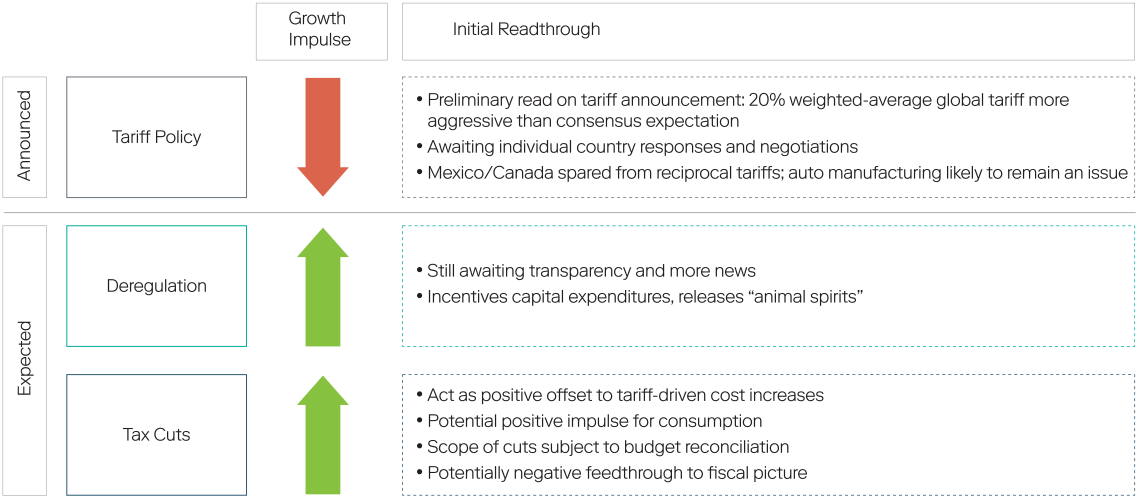
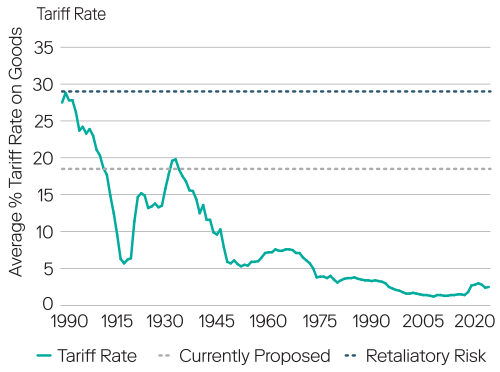
The Trump trade regime hit like a monsoon on April 2 as the U.S. president introduced across-the-board 10% tariffs on imports, as well as potential “reciprocal” tariffs on a range of trading partners, including 20% on the European Union, 46% on Vietnam and 34% for China (later increased to over 100%). Trump subsequently paused the reciprocal tariffs for 90 days to allow for negotiations with willing countries (notably excluding China) to reach accommodation.
With these announcements, markets were thrown into disarray as investors attempted to assess the possible ramifications across economies and asset classes. In subsequent days, equities plummeted, then rose, then fell, then rose again; the 10-year U.S. Treasury yield slipped, but later rebounded to higher levels; and credit spreads saw volatility and sharp widening. On balance, global economic growth estimates eased while projections for U.S. inflation moved upward.
Ironically, overall fundamentals for the economy and bond market had been relatively constructive over the first quarter of 2025. U.S. growth seemed likely to slow but remain positive, while inflation was above-target but on the wane, suggesting that the Federal Reserve could contribute a couple interest rate cuts by year-end. Credit spreads had widened, but still reflected underlying strength.
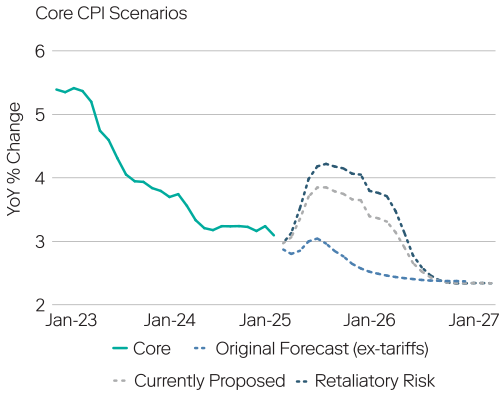
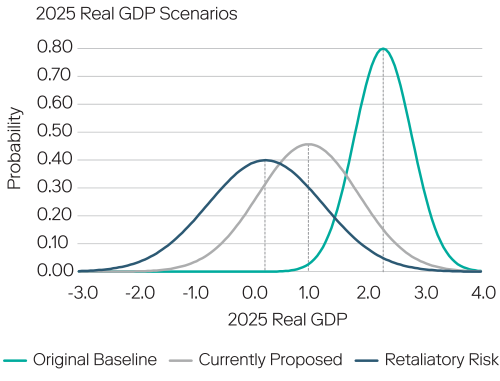
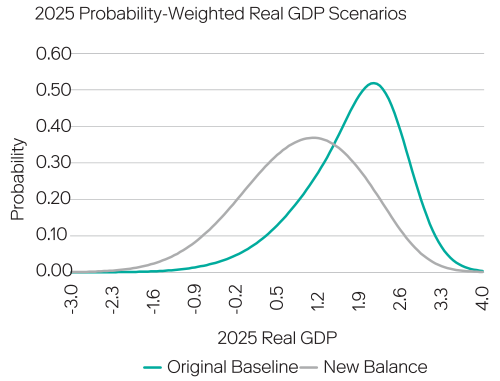
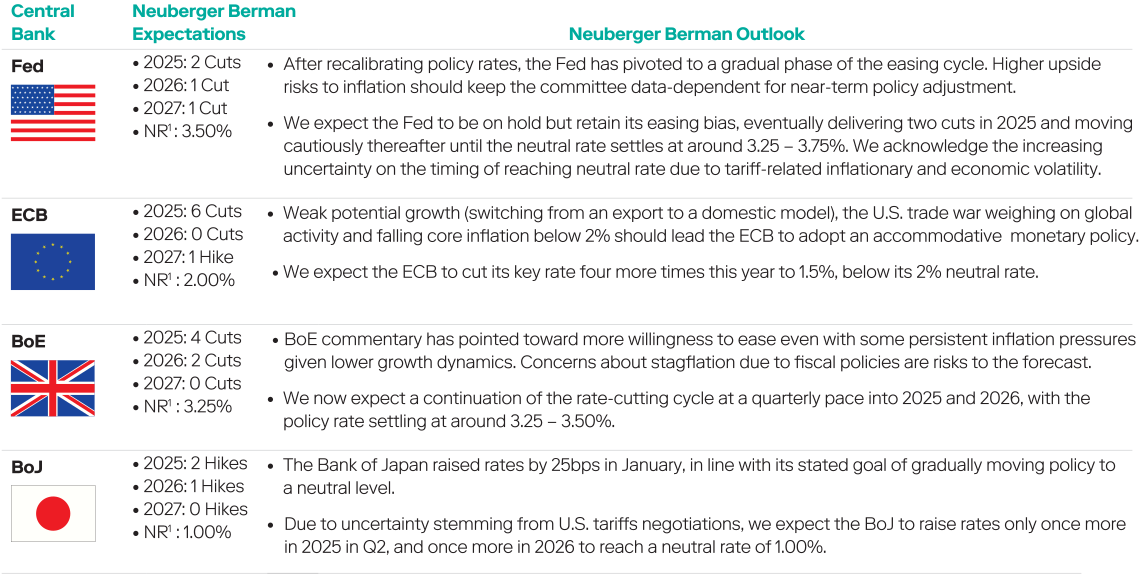
Now, the economic climate is murkier. We have reduced our U.S. growth forecast to below 1% regardless of how tariffs play out, and modestly raised our inflation forecast from 2.5% to 3%. Although the market is currently expecting four cuts in 2025, actual delivery may depend on the degree to which tariffs translate into higher prices. For our part, two or three cuts appear likely as the Fed balances softening growth with stubborn inflation that is perhaps incrementally increased by tariff policies.
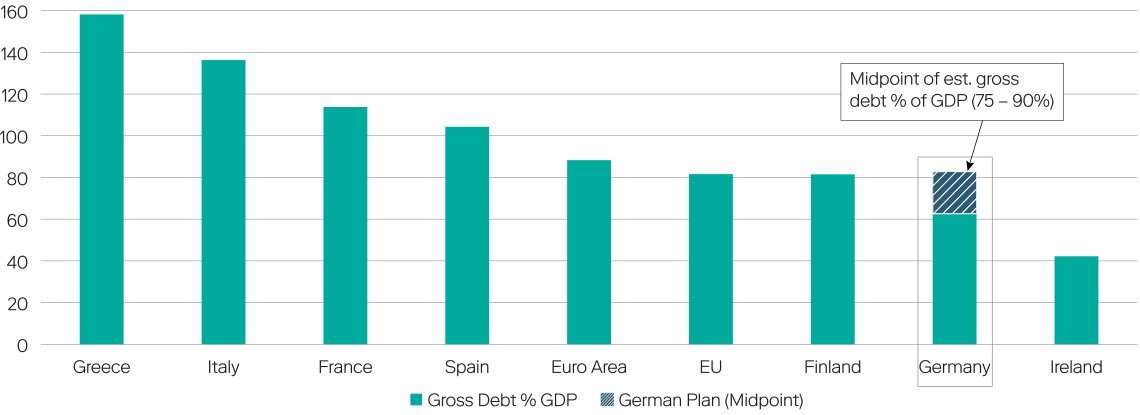
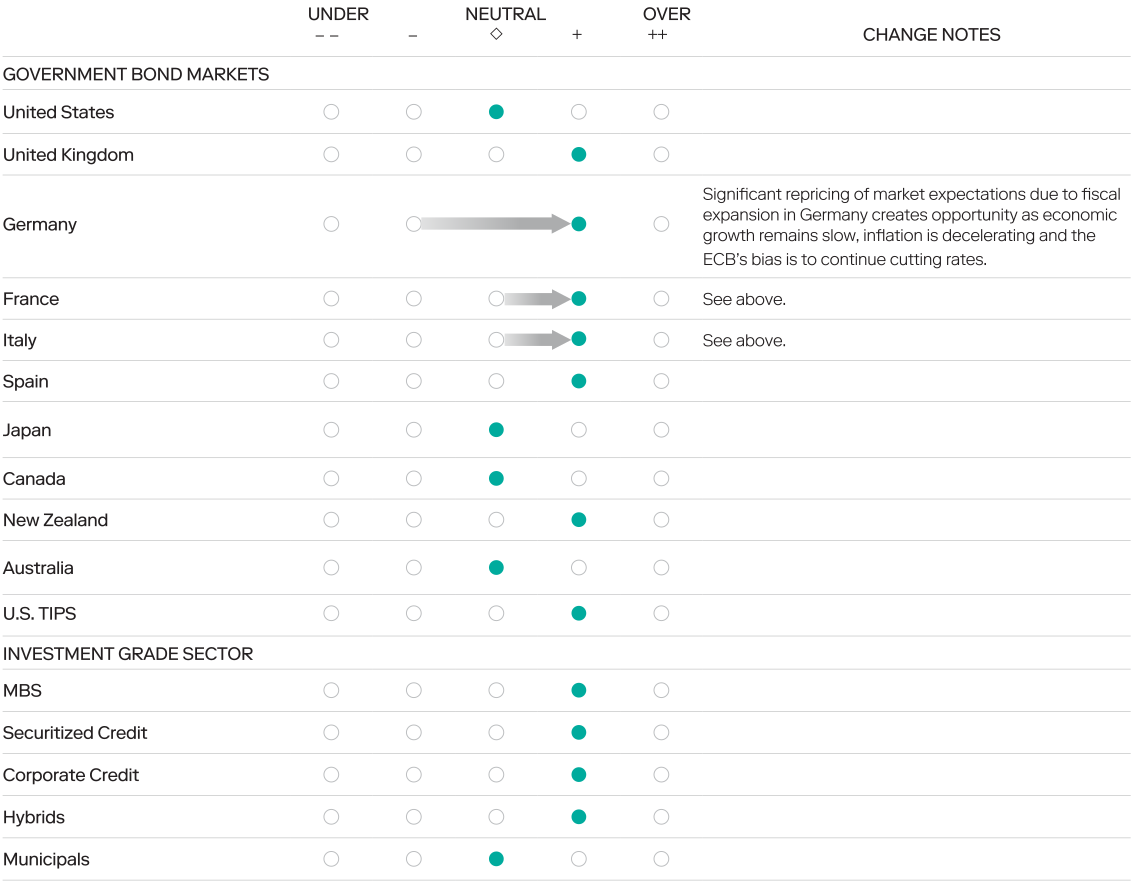
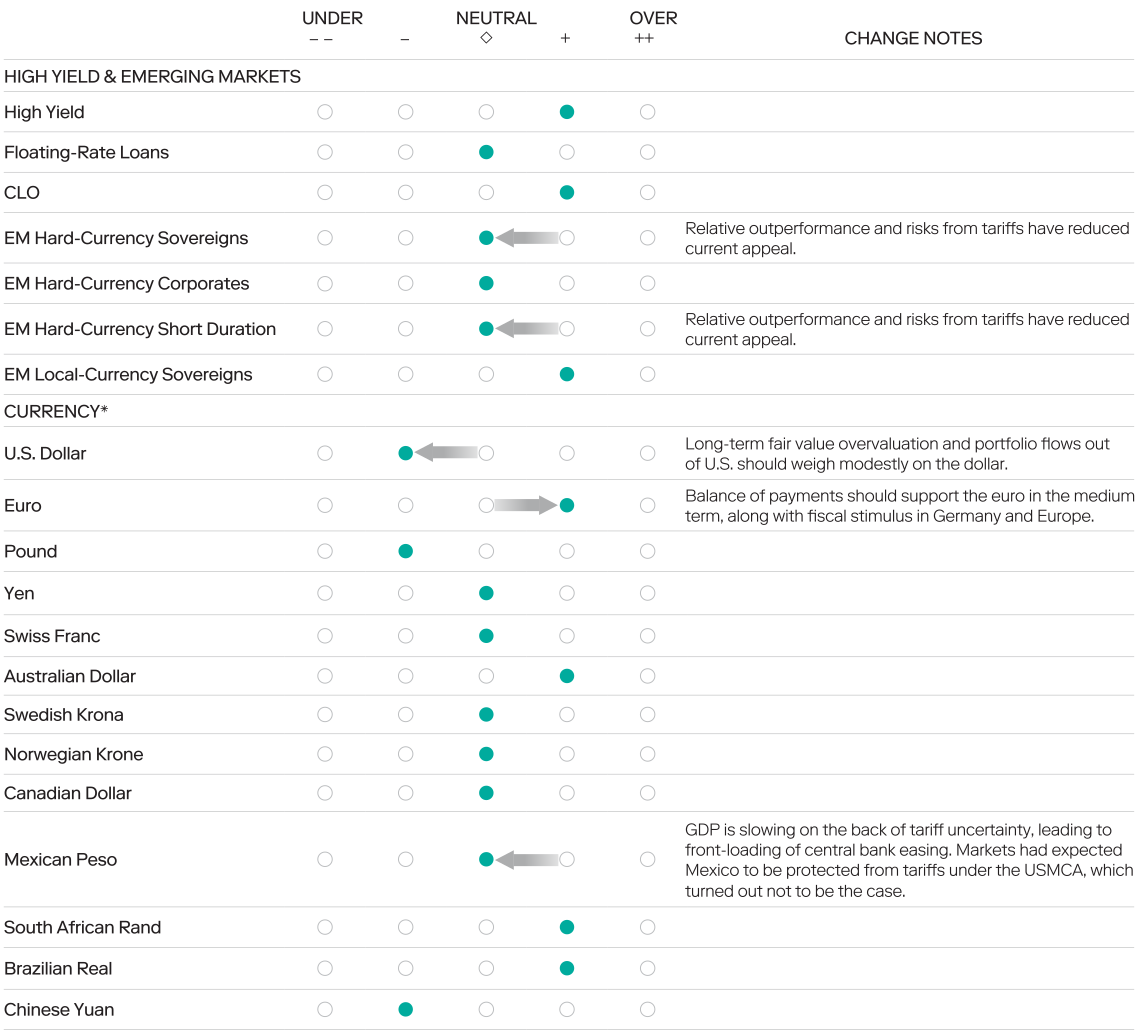
For non-U.S. markets, overall economic weakness could also worsen due to tariffs. In Europe, it may take a while for Germany’s coming infrastructure spend to reaccelerate industries across the continent, making more central bank cuts likely. For China, the U.S.’s announced levies have been severe and may get worse given the country’s immediate retaliation—potentially shaving a percentage point off our previous 2025 growth estimate for China to about 3%. That said, its Purchasing Manager Indices have been improving, and fiscal and monetary stimulus could have a positive impact, especially later in the year. China’s already reduced reliance on U.S. imports may help limit the damage. Emerging markets could be broadly impacted by tariffs, but the ultimate effects may be by country and subject to negotiation.
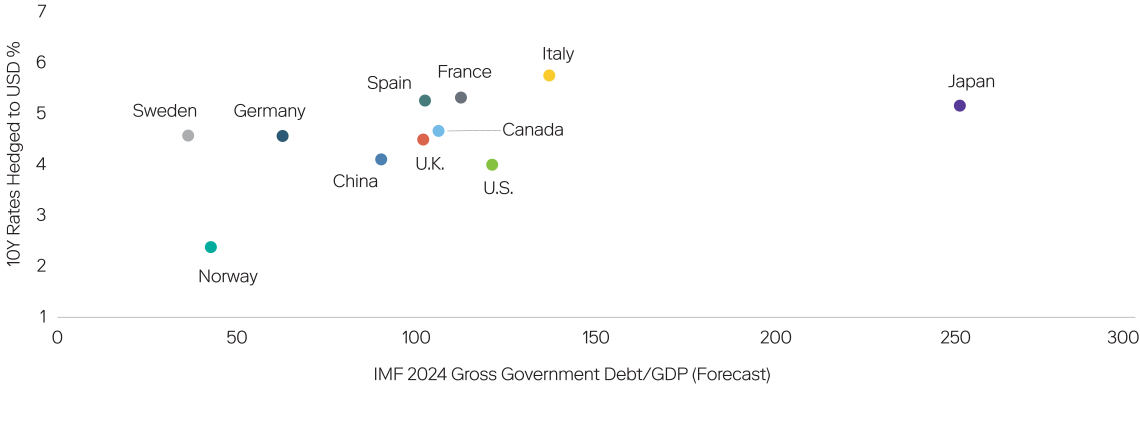
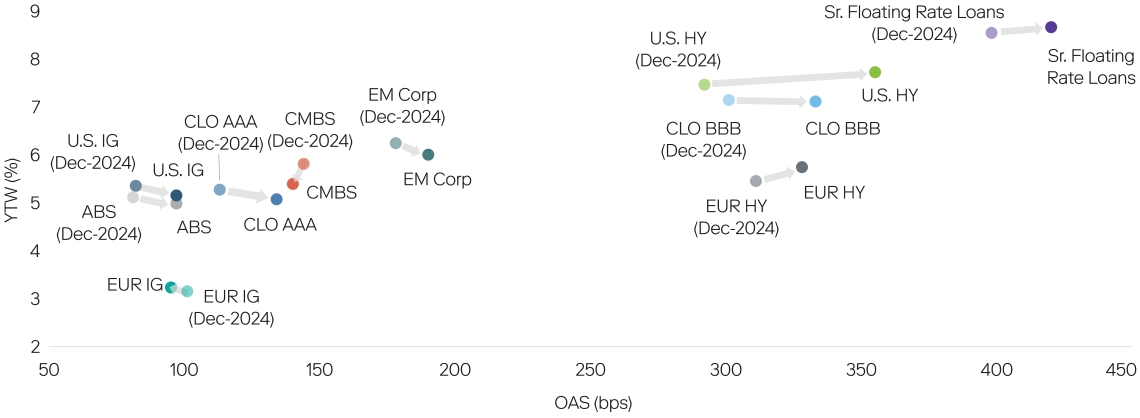
In terms of duration positioning, we see some potential value at the short end of the U.S. yield curve, but are cautious on longer maturities due to upward pressure on the term premium. In credit, current spreads are now attractive, but it may be worth holding some investment capacity should conditions deteriorate. We think credit selection could be increasingly important depending on the issuers’ exposure to tariffs and (in the U.S.) dependence on cheap overseas goods or labor.
More broadly, we should recognize that the president’s tariff regime likely ushers in an era of increased trade barriers for the U.S. Over time, this could mean fewer capital inflows and a higher equilibrium cost of capital. We could see higher-than-expected interest rates, a steeper yield curve and weaker dollar, along with an increased risk premium in credit markets. Tax cuts, deregulation and pro-growth policies may provide an offset, but global capital flows will likely change over the coming years, potentially inuring to the benefit of non-U.S. markets.
We will be watching closely to refine our views and positioning. Below are some of the key themes we currently see in global fixed income markets.