Commentary
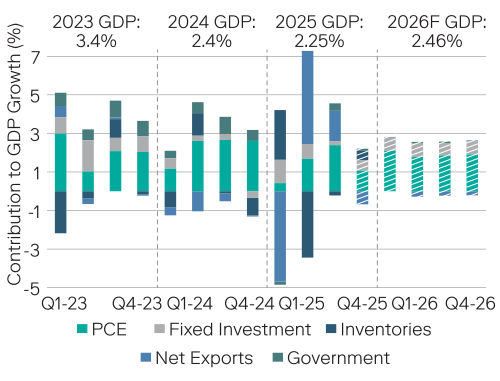
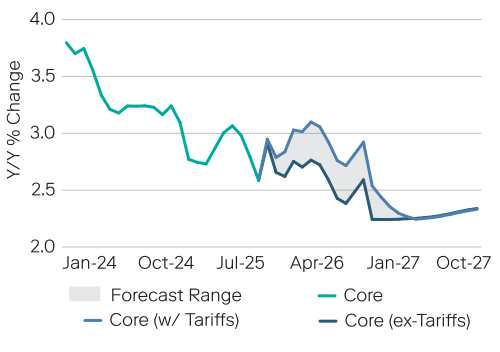
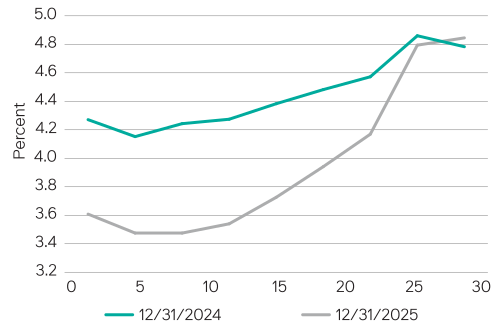
For many fixed income investors, 2025 was a year when much went right. Gradually diminishing policy rates, moderate disinflation and a steady economic picture generally supported market rates and further narrowed credit spreads. Even the major disruption of the year—April’s tariff announcement—turned into a boon for many willing to buy into risk-off headwinds as market conditions later eased.
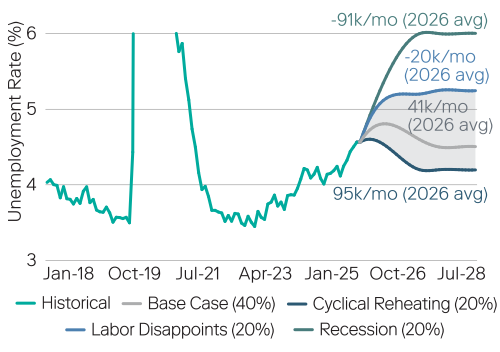
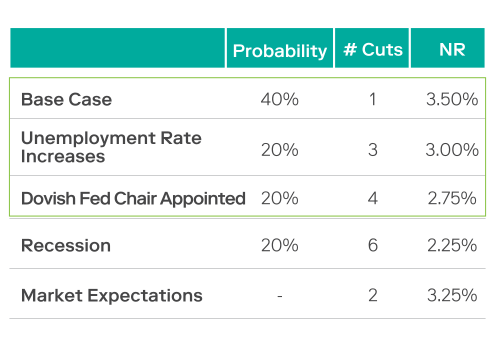
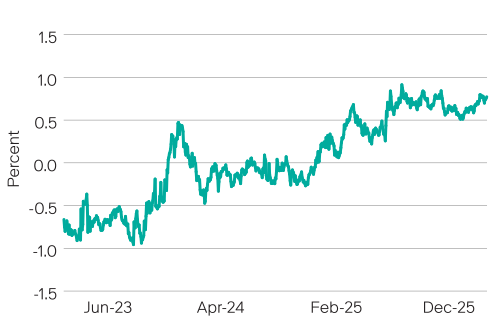
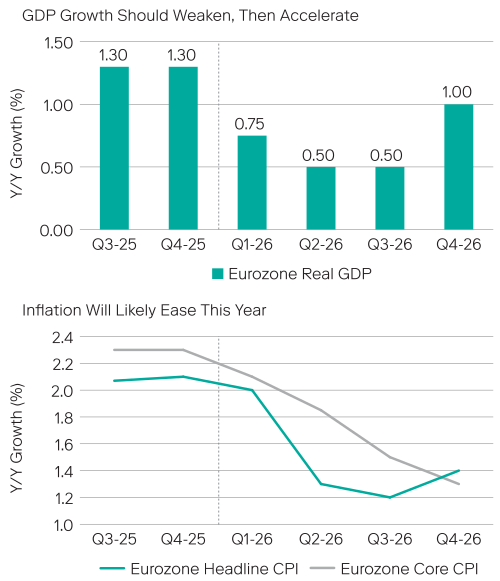
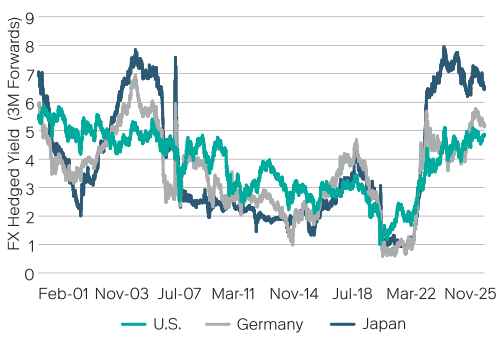
In our view, 2026 presents more challenges in seeking fixed income opportunity, with fewer rates tailwinds and continued narrow credit spreads on the back of resilient economic fundamentals. Still, we believe that central banks (outside of Japan) will generally foster an easing bias, with potentially more rate cuts in the U.S. if the labor market deteriorates. Relative U.S. fiscal uncertainty and political volatility may further weaken the dollar this year, reinforcing the benefits of global diversification.
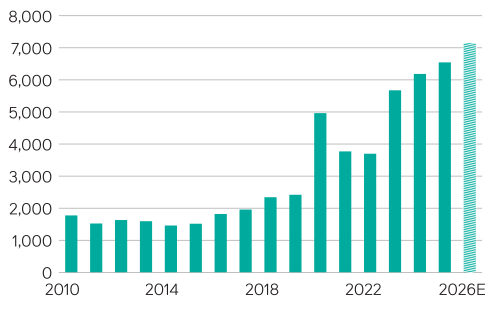
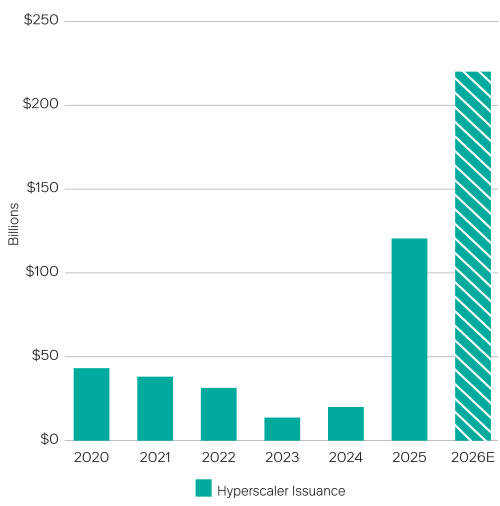
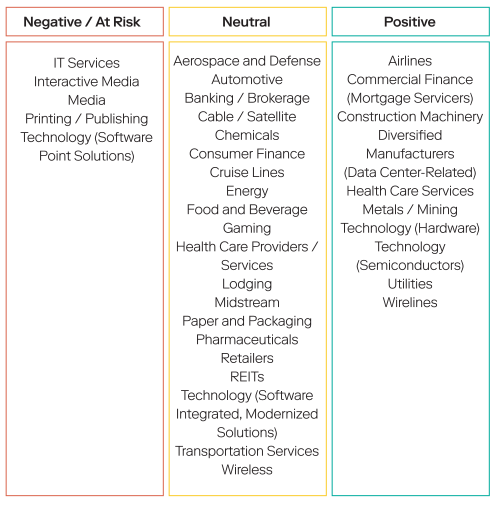
Risk mitigation may be essential in the credit world, where narrow spreads leave little room for error and issuance from U.S. hyperscalers dominated recent investment grade supply. While less exposure to the AI trend may hinder Europe from a business perspective, it could help investors vary exposures and avoid repercussions if cracks in the AI story emerge.
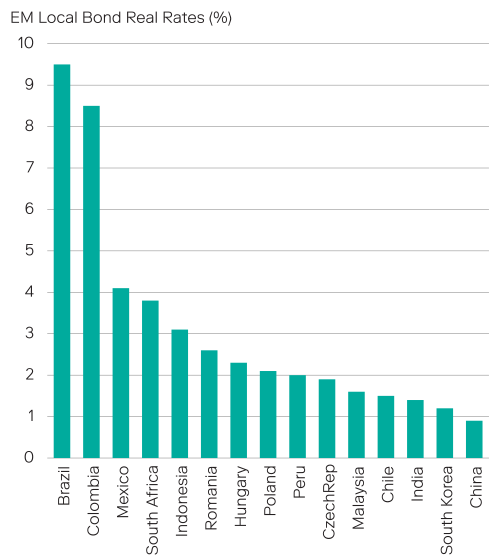
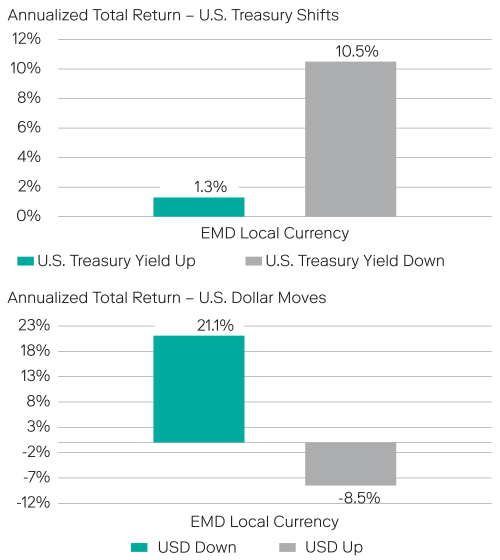
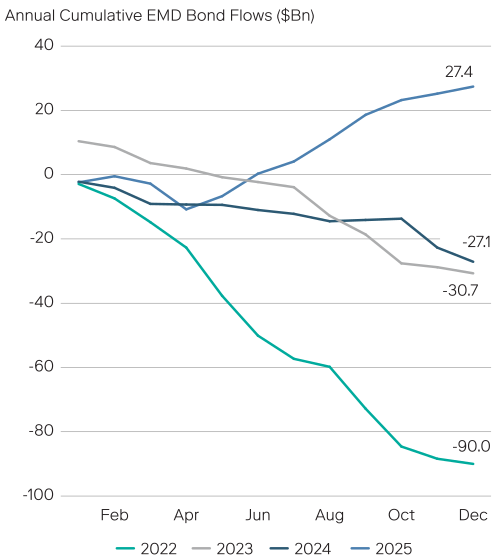
Continuing a theme from 2025, we believe that emerging markets appear poised for standout results, given their yield advantage, favorable local growth trends and a moderate inflation picture. Emerging markets debt has also historically outperformed in periods of U.S. monetary easing and dollar weakness—trends that are both currently in place.
Beyond geography and currency exposure, we see this as a year of hyperfocus on security selection and careful positioning, to extract value and avoid loss in a nuanced environment. We present our key investment themes on the pages that follow.