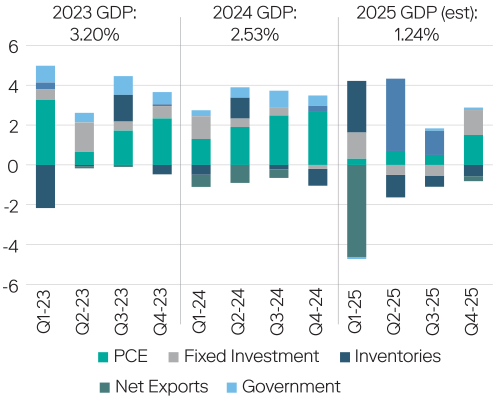
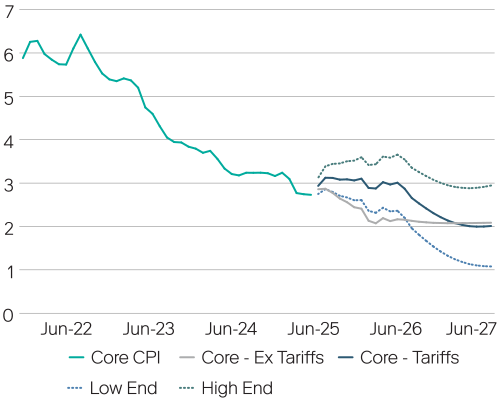
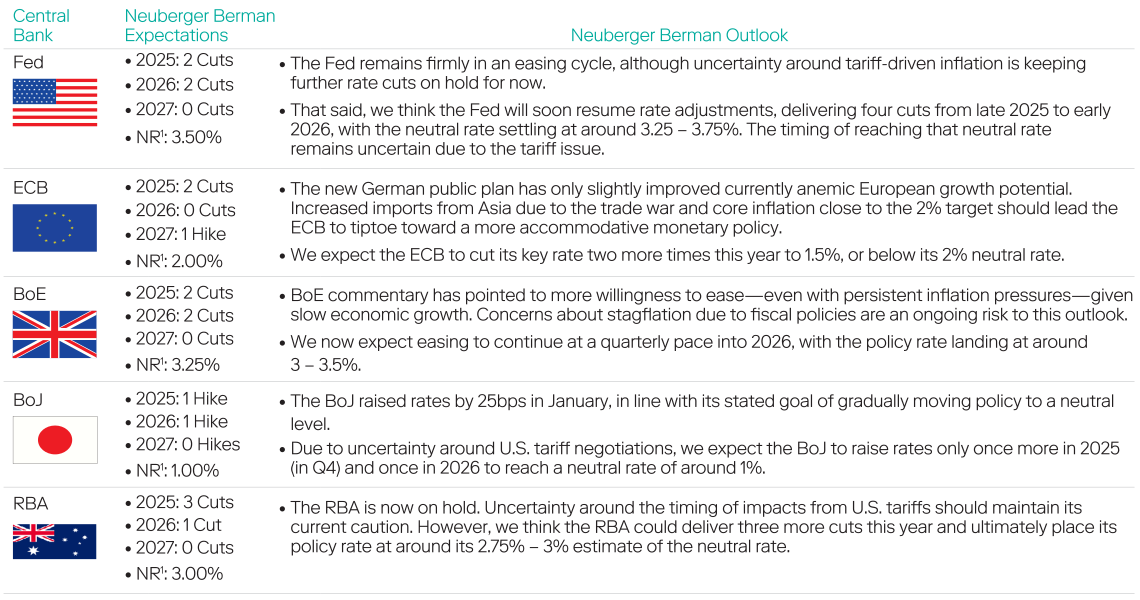
In the wake of an eventful quarter, we believe that more benign inflation data and softer but still positive growth could soon prompt the Federal Reserve to resume rate cuts, joining other central banks that have maintained easing polices. While tepid, economic growth remains positive globally and, in the U.S., could improve toward the end of the year and into 2026. In this environment, we currently favor exposure to shorter-term U.S. Treasuries, as well as opportunities in high yield and local currency-denominated emerging market debt, with tariff-related volatility posing a key risk.
Commentary
We believe the Federal Reserve is likely to soon join other central banks in further cutting interest rates, likely providing a tailwind for shorter-duration U.S. bonds.
The last few months have been eventful to say the least, from tariffs to Middle East conflict to the passage of U.S. budget legislation, but ultimately impacts on fixed income have been fairly muted.
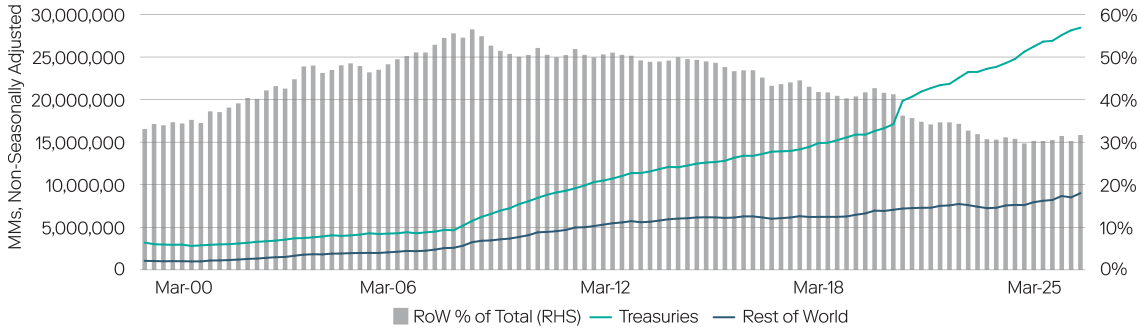
The Trump administration’s announcement of the tariff “Liberation Day” on April 2 inaugurated a period of extreme volatility in financial markets trying to assess the potential levels and impacts of proposed U.S. levies on imports. Postponement until July (and then August) of more severe tariffs helped risk assets reverse course, although the dollar continued its sharp decline amid foreign skepticism over U.S. deficit spending. In geopolitics, the sharp escalation—and swift apparent conclusion—of the Iranian conflict created a temporary spike in oil prices but otherwise had little effect on global markets. Meanwhile, the July 4th enactment of the U.S. President’s “Big, Beautiful” budget law was greeted with a mixture of relief and worry over fiscal strains, only to be overshadowed within days by new tariff threats, perceived by some as a negotiation tactic.
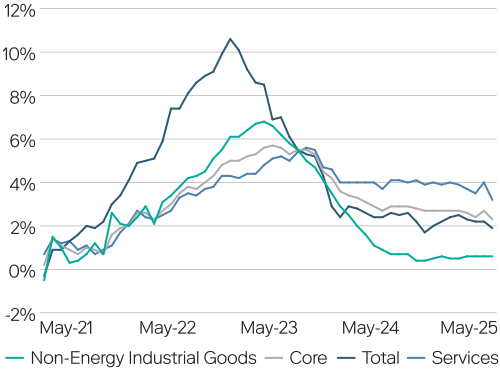
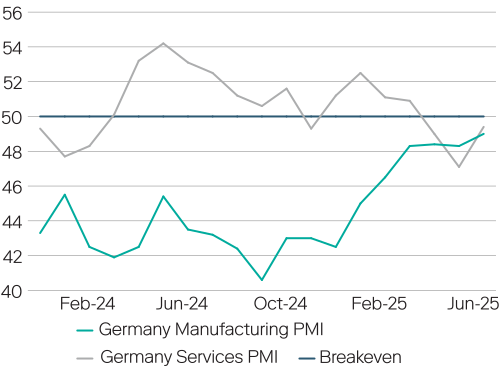
As is often the case, bond investors had their eye less on the commotion and more on the ultimate drivers of returns—growth and inflation. There, the overall backdrop was relatively benign, with “hard” U.S. growth data coming in better than “soft” sentiment-driven data, and inflation continuing to recede even amid worries about the impact of tariffs on prices. In Europe, inflation is also fading, but growth weakness is being tempered by new spending, particularly in Germany given its new commitment to infrastructure and defense. Japan is in solid condition and China may be on the mend, aided by policy initiatives.
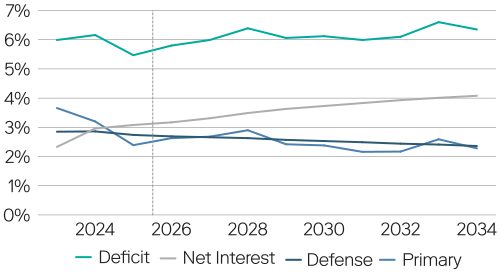
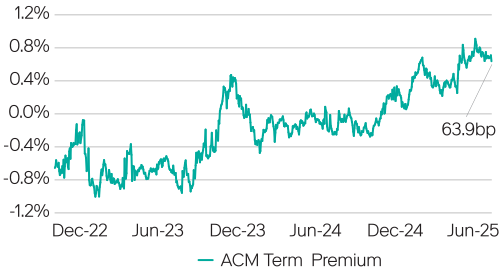
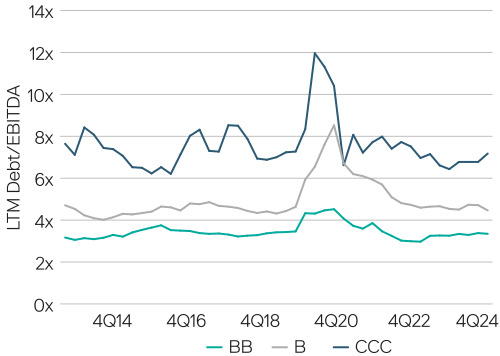
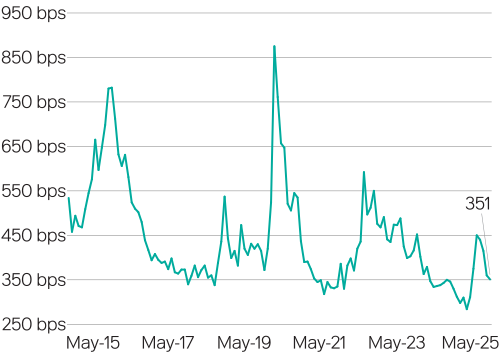
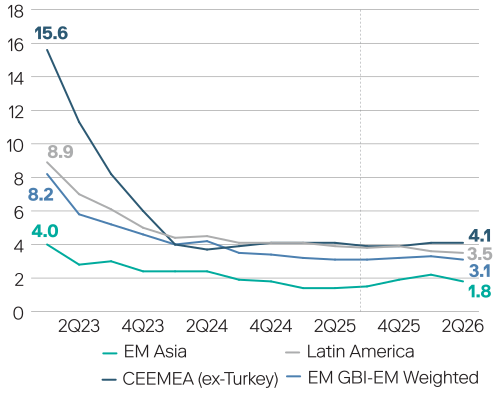
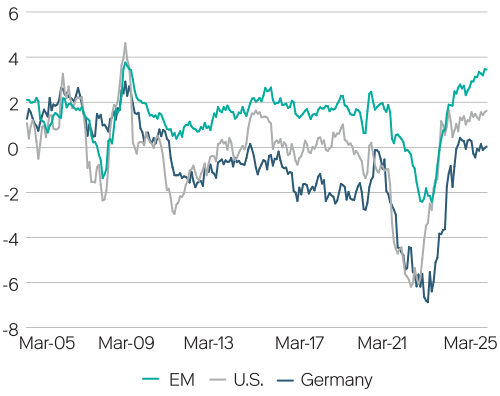
Looking ahead, we see broad potential for rate cuts, particularly in the U.S., where softer near-term growth, encouraging disinflation and more labor market ambiguity could curtail the central bank’s wait-and-see stance on tariff impacts. (Current pressure on Fed leadership could conceivably prove a risk, which we are watching closely.) Easing could prove beneficial to short- to intermediate-term bonds, although longer-dated U.S. issues still face questions over deficit spending. While tariff noise may continue, the world appears likely to avoid recession, reinforcing the justification for tight corporate credit spreads. Among sectors, we think high yield bonds offer relative advantage, while emerging markets debt issued in local currencies could prove a bright spot given dollar weakness, moderate inflation and resilient growth.
We provide our key investment themes for the quarter below.