Commentary
That was a tumultuous quarter. Since April, the global economy and markets have faced the U.S. administration’s erratic tariff policy, broader trade tensions, fiscal concerns and flare-ups in geopolitical risk, all resulting in widespread volatility and economic uncertainty. And while many of these catalysts may ultimately have material economic and financial impacts, both macro data and risk markets have shown notable resilience, and “looked through” this uncertainty, a theme that we introduced in our last quarterly outlook. At its heart, “looking through” is an optimistic strategy, one in which we recognize that reinforcing our conviction in our risk posture requires overcoming a degree of skepticism.
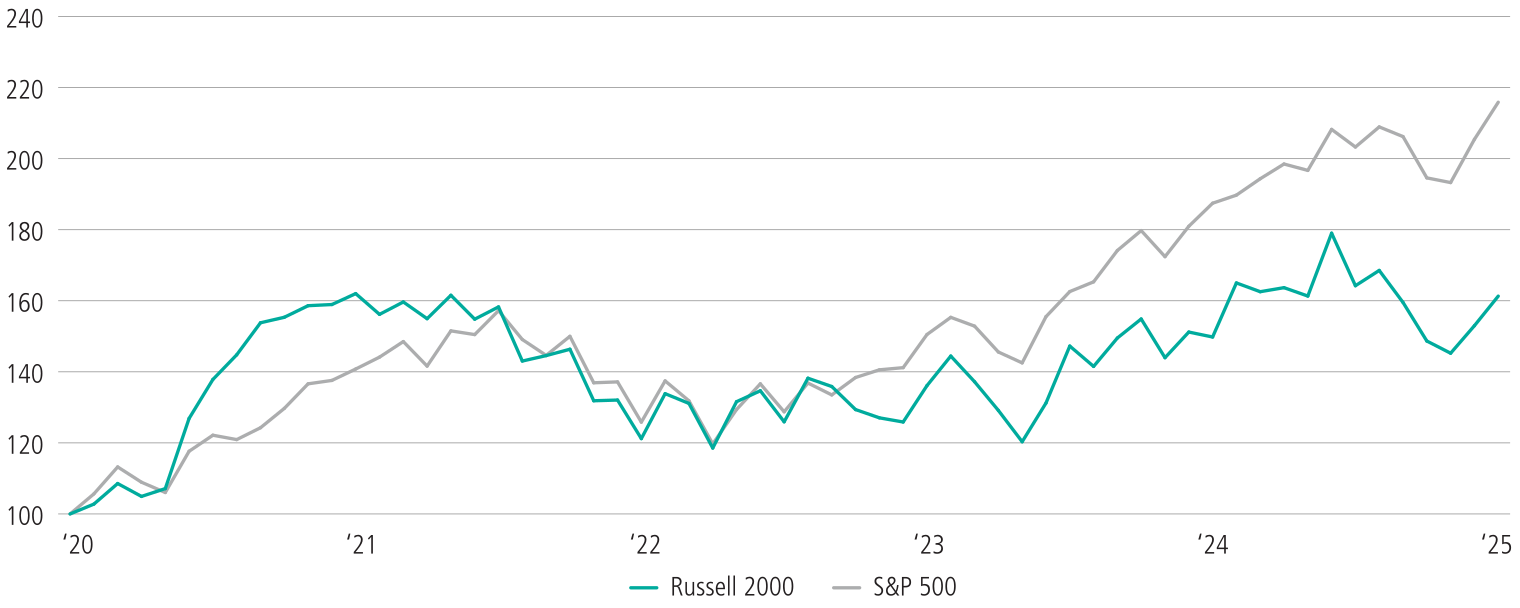
Looking back, most equity markets have broadly recovered from the April drawdown with some rising to new highs, while credit spreads have ground back to near their tightest levels of the year. Against this backdrop, weakness in the U.S. dollar and more turbulent moves at the long end of government bond curves have stood out.
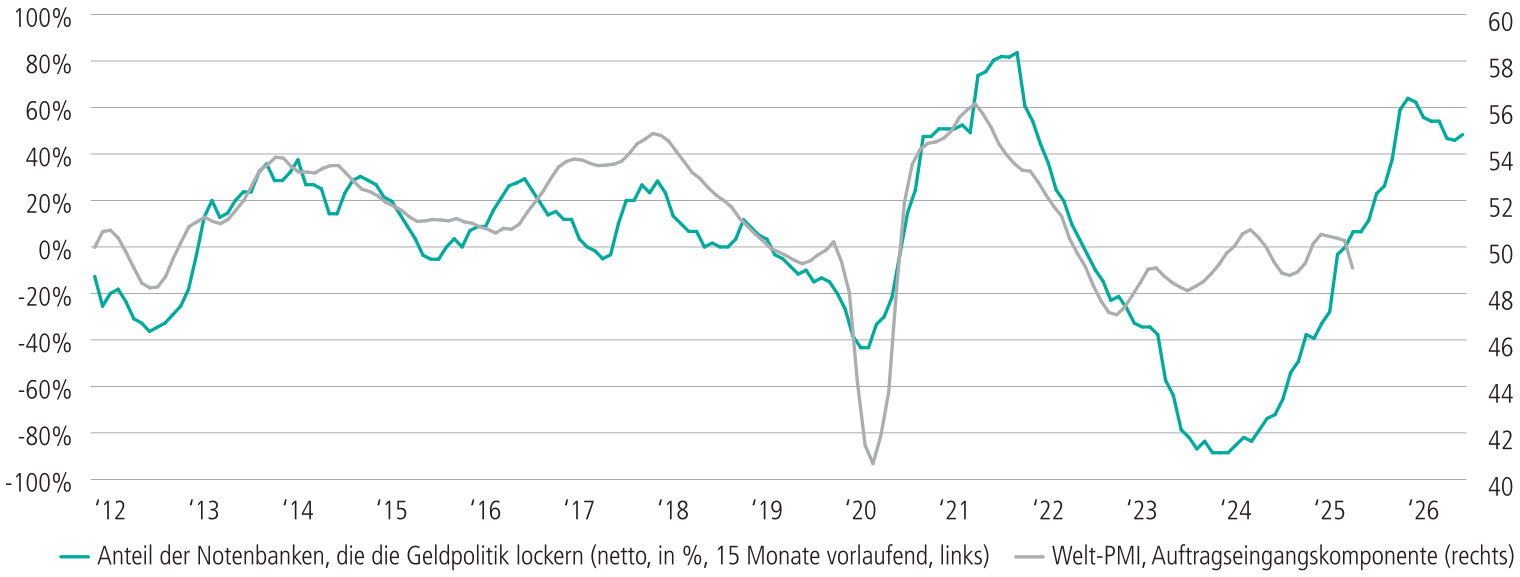
Looking ahead, we see several catalysts for further market volatility and economic uncertainty, including rocky trade negotiations, ongoing military conflict in the Middle East, and shifting fiscal policy in the U.S. and other developed economies. However, beyond the short-term effects of these disruptions, we are optimistic in our medium-term outlook for the global economy and risk assets. Our growing confidence in growth prospects and expanding return opportunities across asset classes is supported by continued monetary policy easing, pro-growth fiscal policies in the U.S. and Europe, strong fundamentals in Japan and a strengthening recovery in China.
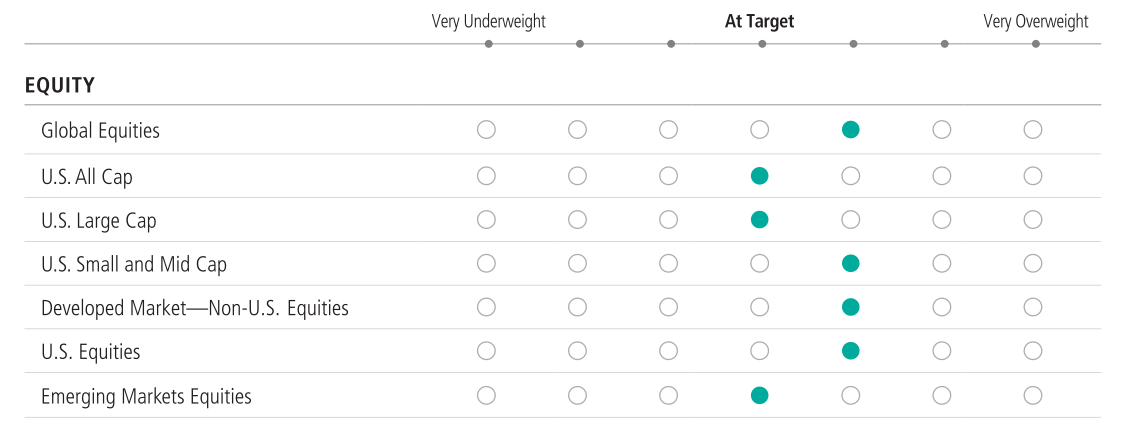
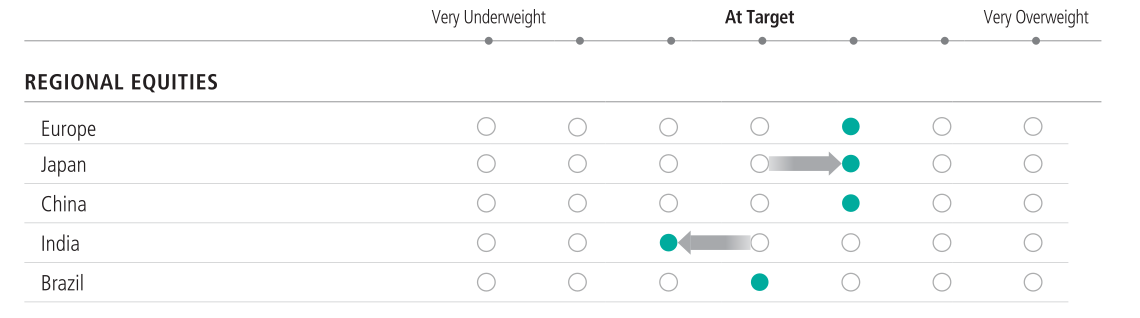
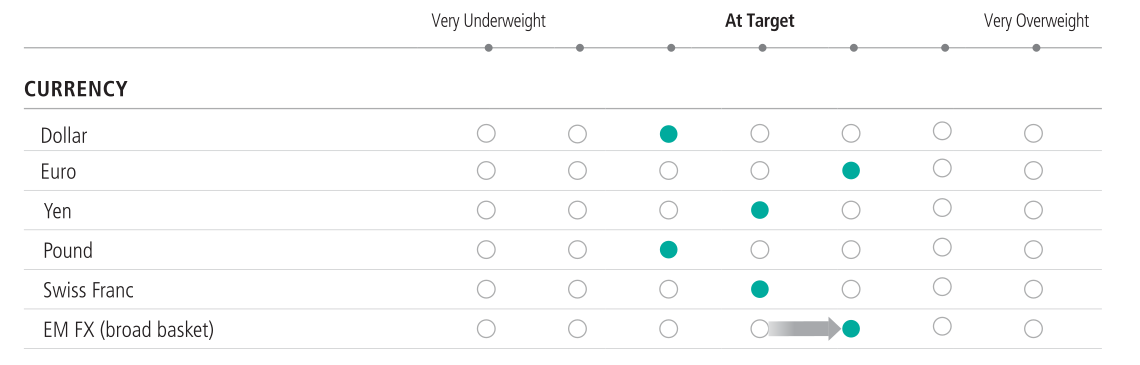
Growing market breadth is evident in our currency and equity views. This quarter, we are maintaining our U.S. dollar underweight against a broader basket, and have introduced an overweight to emerging markets currencies. In equities, we maintain our preference for non-U.S. developed markets over the U.S. We have also upgraded Japan to overweight from at-target.
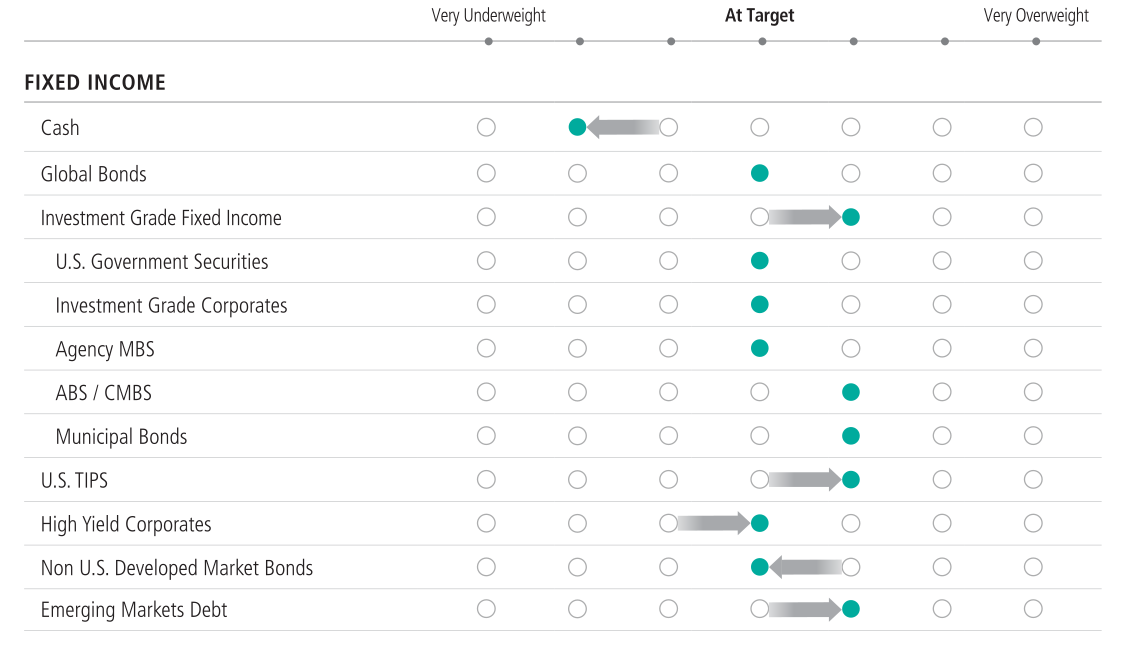
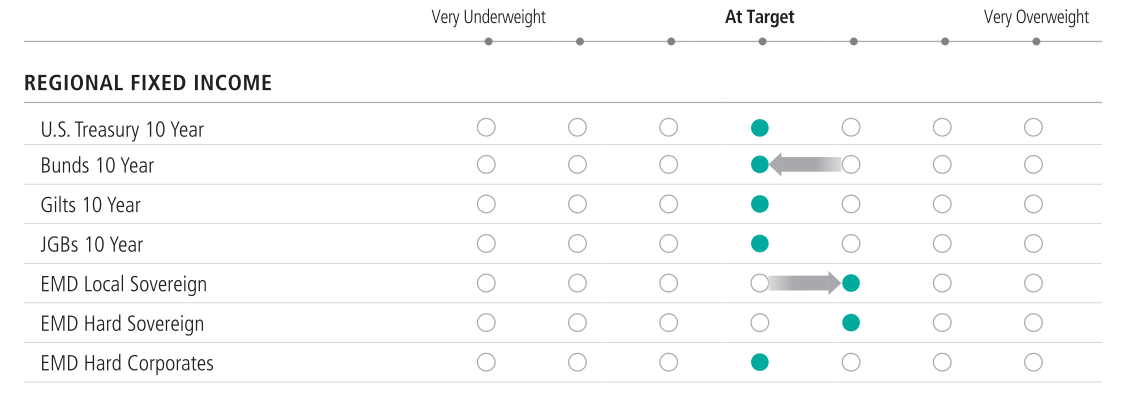
In fixed income, a more U.S.-centric view prevails: after capturing favorable valuation moves, we have downgraded non-U.S. developed market bonds to at-target from overweight, preferring to increase our exposure to U.S. fixed income markets where premia are higher and we expect rate cuts more quickly than reflected in market pricing.
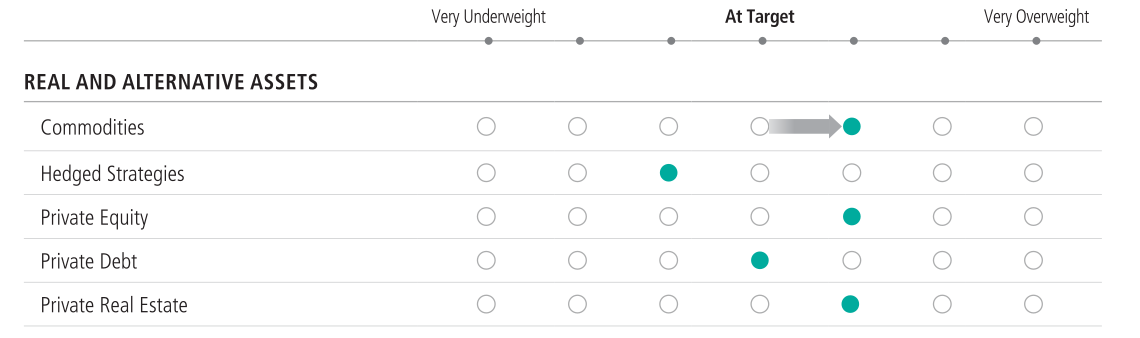
At the same time, with tail risks still elevated, we have upgraded commodities to overweight, including gold, which we see as an effective hedge to a growth slowdown, inflation and/or geopolitical event.