Commentary
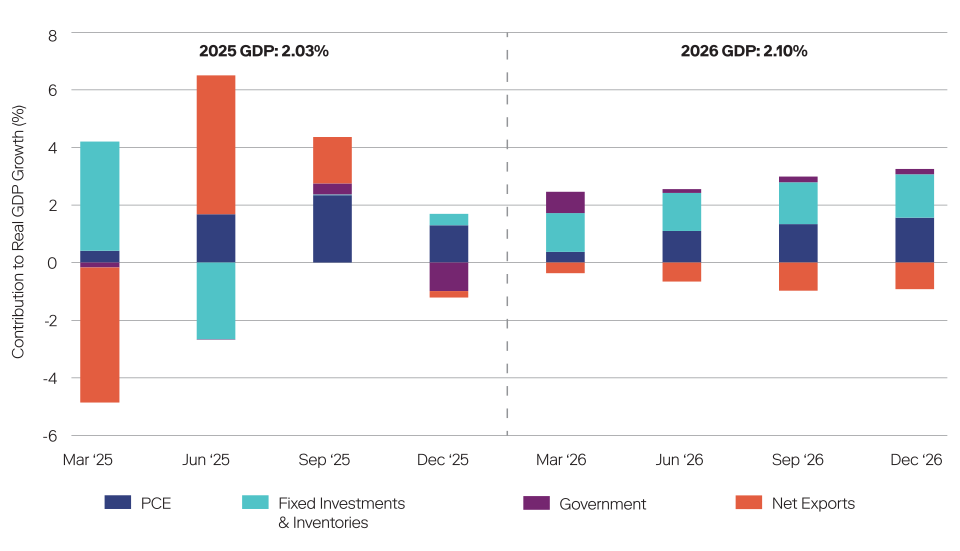
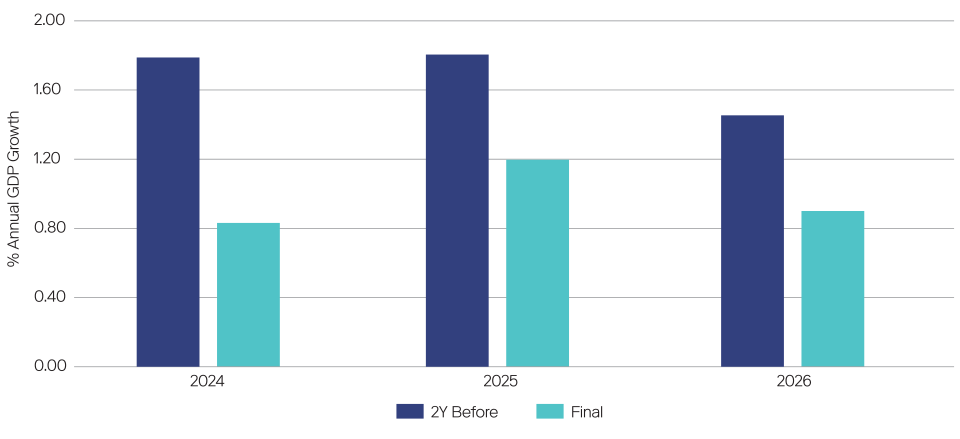
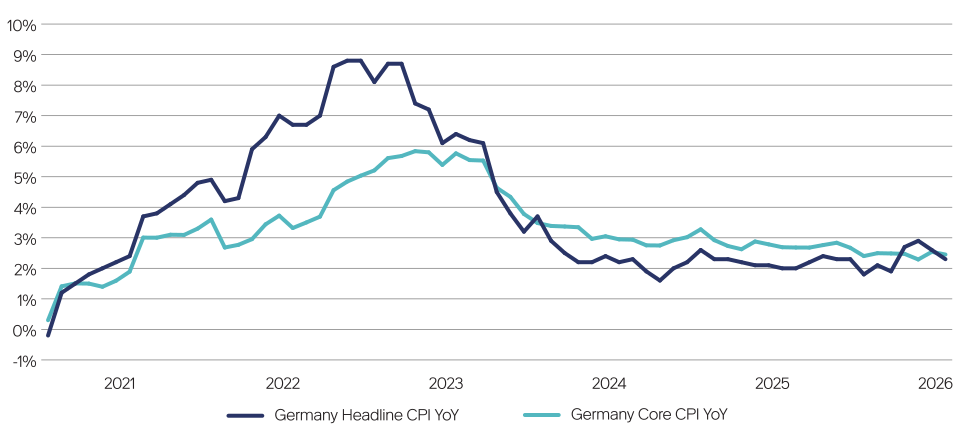
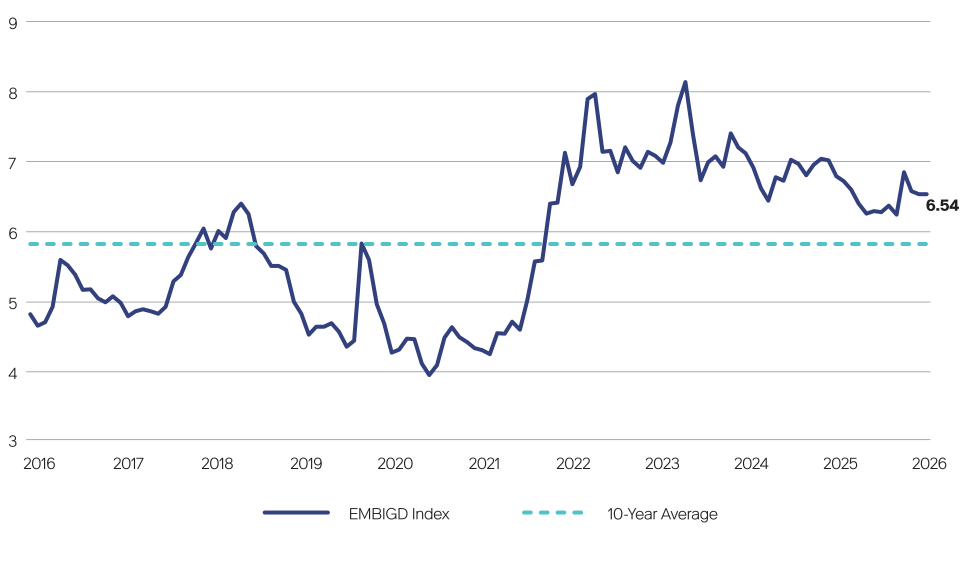
Amid turbulence in the Middle East, economic performance has now diverged sharply across regions globally. The U.S., supported by AI-related investment, has shown resilience, while Europe’s energy dependence and cyclical exposure have weighed on growth. Emerging markets, though diverse, have generally maintained fundamental stability despite unusual global conditions. Yields remain elevated on the back of the Iran war, although credit spreads have largely recovered from dislocations earlier in the year tied to concerns over artificial intelligence-related issuance and business development companies.
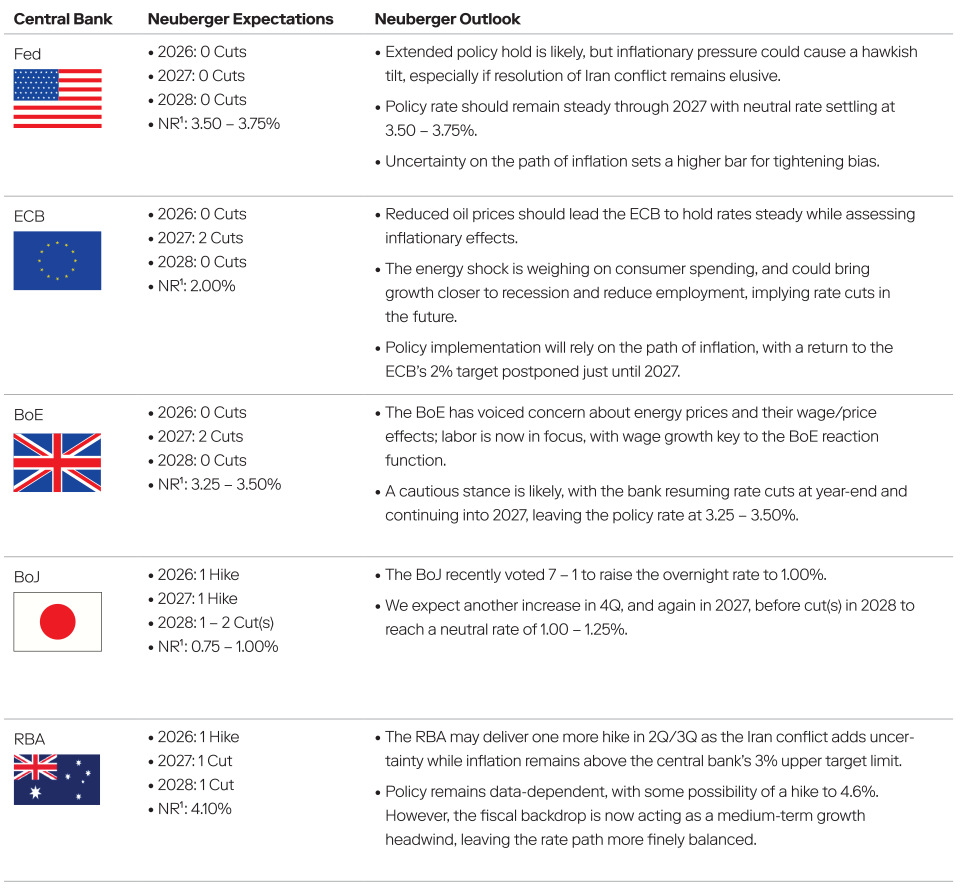
For fixed income investors, we believe positioning today depends more on actual economic data rather than central bank commentary. New Federal Reserve Chair Kevin Warsh has signaled his reluctance to give forward guidance on policy intentions, while the European Central Bank has struggled to assess the region’s growth trajectory.
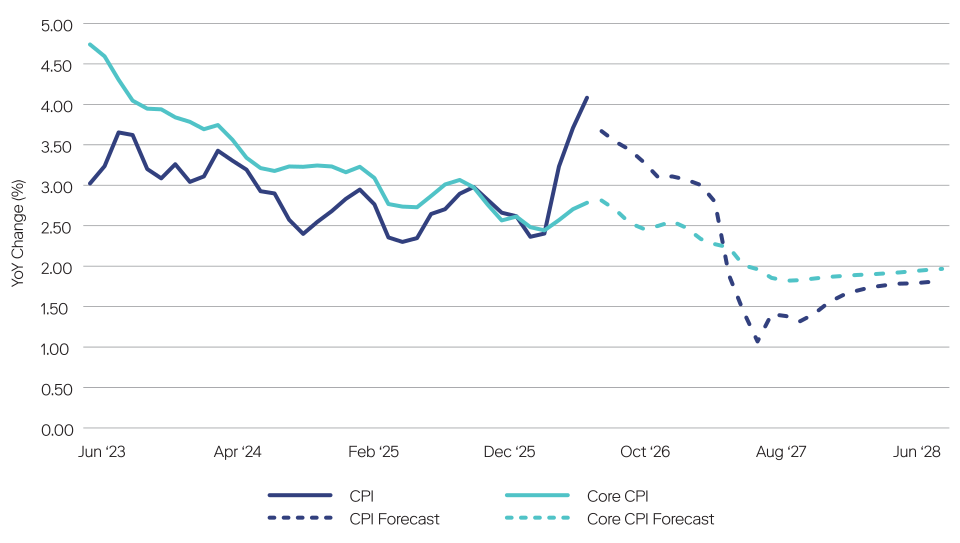
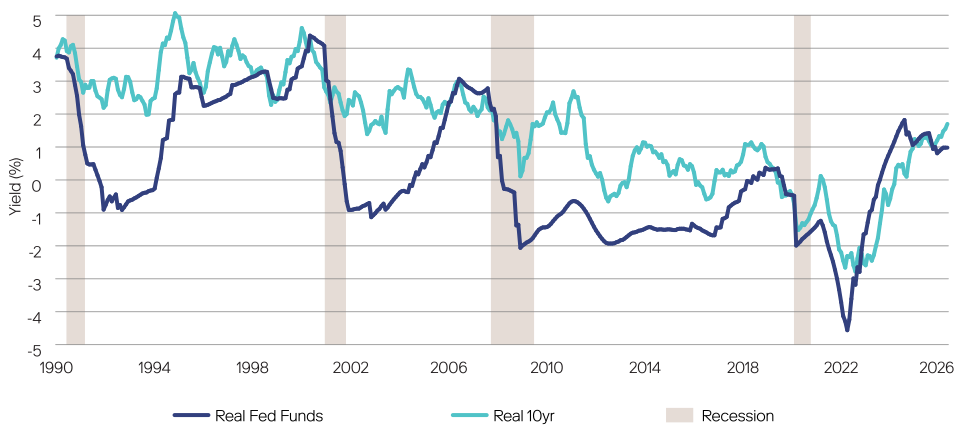
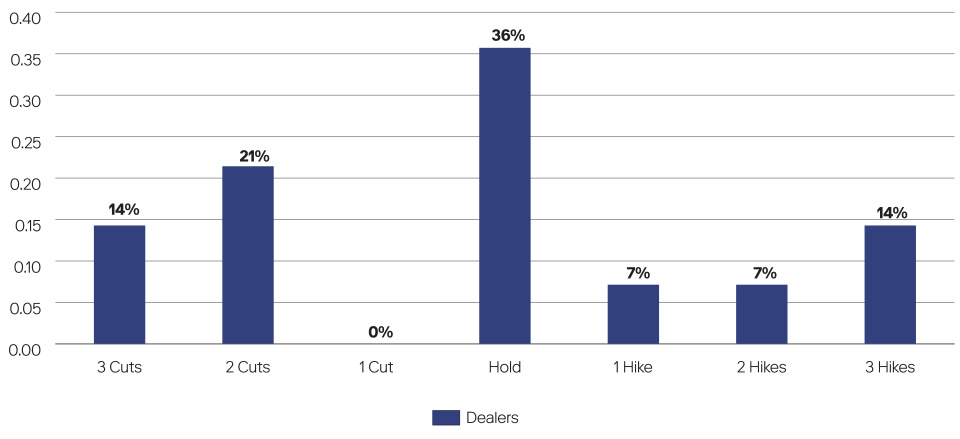
Despite noise in headline economic data, we think markets are overestimating the extent of central bank hawkishness, leading to opportunities in shorter U.S. rates and across interest rate curves globally. With credit spreads still historically tight, we believe a selective focus on carry and all-in yield makes sense, with particular emphasis on securitized credit, high yield and emerging markets.
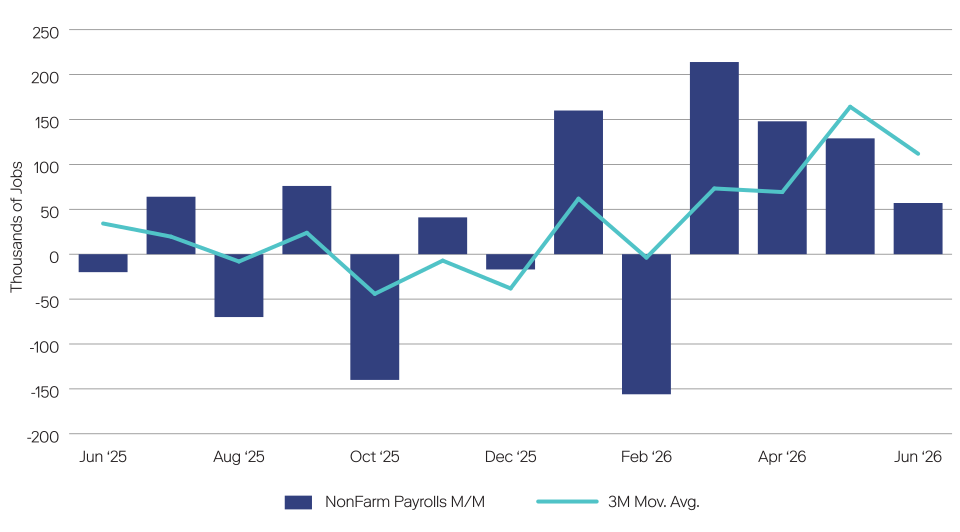
Importantly, uncertainty remains elevated, and economies, as noted, are showing increased divergence. Among the key factors we are watching closely are the push and pull of labor data, the tone of Fed communication, and the course of events in Iran—where resolution versus disruption represents a dichotomy that could meaningfully affect the economy and markets going forward.
See our key investment themes for the quarter on the pages that follow.