Key Observations
- Macro—Recalibrate Risk Posture as Rates Rise: Central banks across the U.S., Europe, and Japan are simultaneously hiking rates, marking the advent of a globally synchronized cycle. We believe this policy rate move will prove less onerous than markets are pricing: core inflation broadly continues to trend lower year-over-year, central banks have little appetite to disrupt economic growth, and in our view, rates are already nearing neutral levels. Sustained elevated energy prices remain the primary risk to this view, but conviction in a contained hike cycle keeps us constructive and focused on quality rather than defensive.
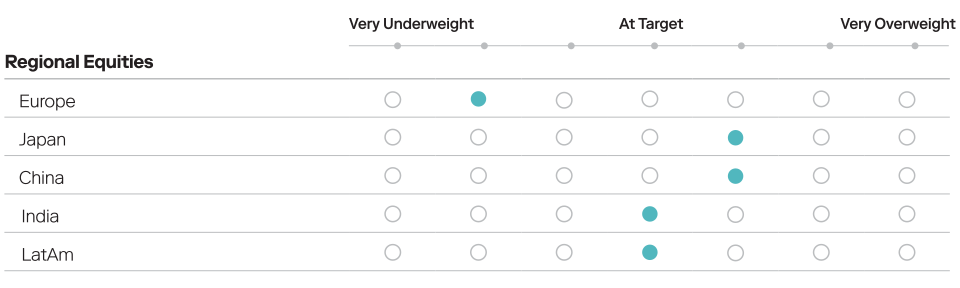
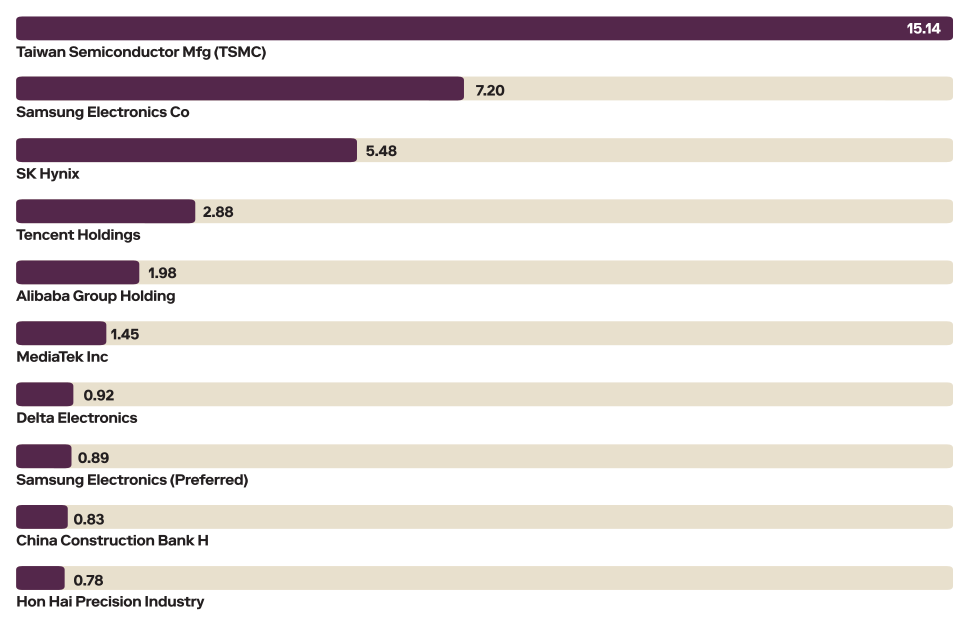
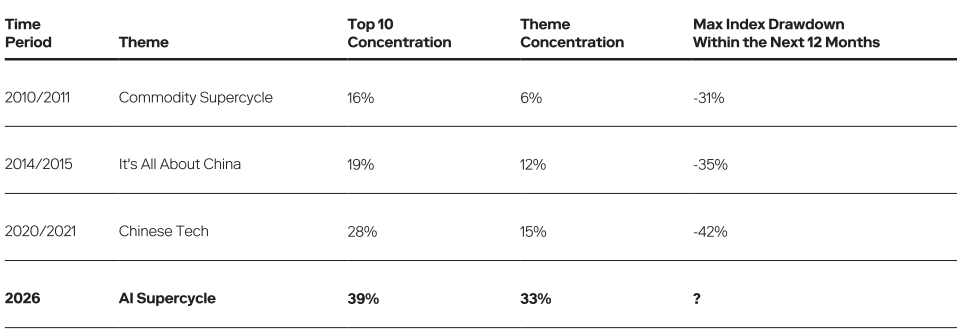
- Equities—Selective Conviction, Higher Bar: The artificial intelligence (AI) investment supercycle continues to generate substantial earnings power for those most directly tied to the buildout, and that strength is beginning to broaden beyond the largest technology names. However, higher long-end rates and the start of a rate hike cycle, even a modest one, are reasons for caution, particularly where rate and energy price sensitivity and thinner margins leave less room for error. The result is selective conviction rather than broad-based confidence in equities.
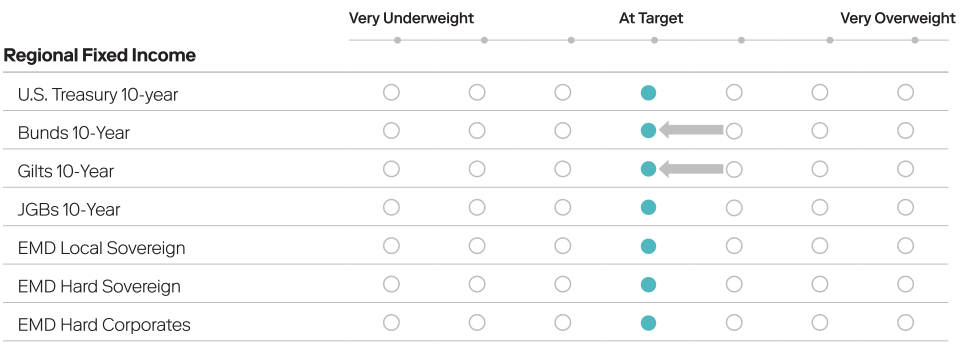
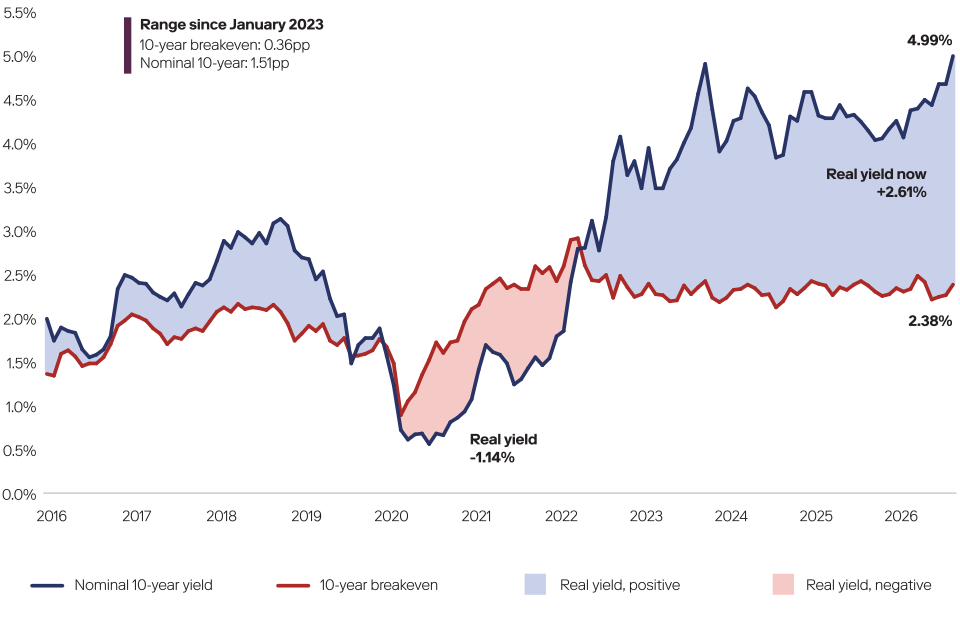
- Fixed Income—Recalibrating Amid Higher Rates: Markets are pricing a more aggressive hiking path than the Committee expects. Policy rates have driven the repricing, as front-end yields have climbed more aggressively than intermediate and long rates. As markets debate how restrictive policy needs to become, we believe it’s prudent to revisit credit positioning and be opportunistic in adding duration.
- Alternatives—Real Assets, Real Ballast: Commodities are filling the diversification vacuum created by positive equity-bond correlations, with gold, oil and agricultural markets standing to benefit directly from any resurgence in inflation. Private markets face a similar diversification test. In our view, private equity and private debt offer less differentiated ballast than private real estate. While rising interest rates may weigh on real estate appreciation and monetization, we believe attractive valuations and favorable supply/demand dynamics still make the asset class attractive.
Executive Summary
The Asset Allocation Committee enters the fourth quarter moving to a more cautious near-term stance while maintaining a broadly constructive posture on risk assets. Higher long-end rates and the beginning of a modest rate hike cycle prompts risk adjustment at the margins. Markets now expect roughly 100 basis points of additional hikes, reversing the rate cuts they had priced in as recently as last quarter. The Committee sees it differently, expecting just one further hike this year before a pause. A resilient labor market and earnings that are broadening beyond mega-cap technology reinforce this stance, with conviction in the AI capital expenditure cycle driving the overweight to U.S. large cap and select emerging markets. The primary risk to this view is a protracted Middle East conflict that keeps oil prices elevated for longer, feeding into core inflation and complicating the rate path the Committee expects.
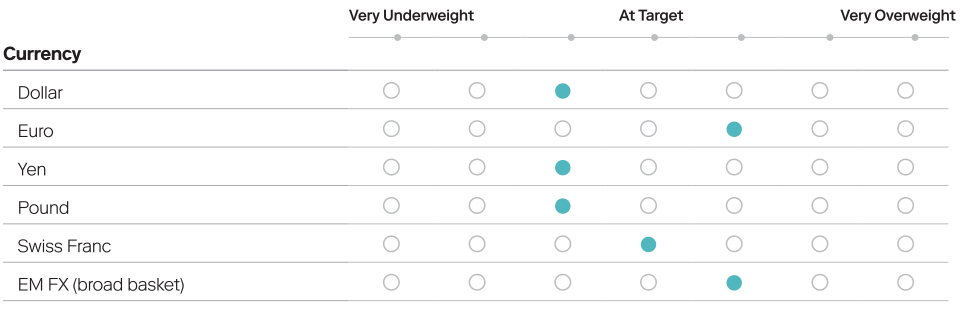
This quarter's message is one of recalibration rather than retreat. Overall global equities positioning was trimmed to target, driven by incremental downgrades to small and mid-caps and emerging markets equities overall. In fixed income, duration exposure was trimmed modestly, though we retain higher conviction in duration exposure outside the U.S. Credit markets held broadly steady, with spreads stable and mid-range rather than tight relative to fundamentals, a backdrop that makes this a reasonable point to revisit credit exposure. Key diversifiers stand out as tactical overweights, including both commodities and hedged strategies, while private markets positioning turns more selective amid higher rates and a maturing credit cycle. Persistent geopolitical risk in the Middle East, particularly the risk of escalation rather than resolution, continues to shape the inflation, currency and commodity outlook.
Market Views
Based on Six- to 12-Month Outlook for Each Asset Class as of 4Q 2026
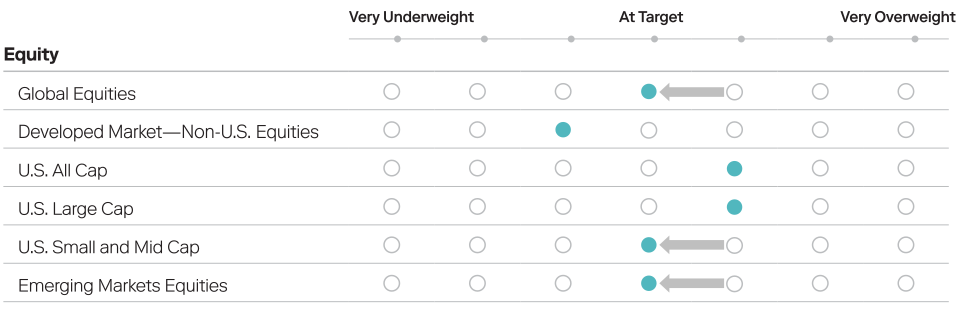
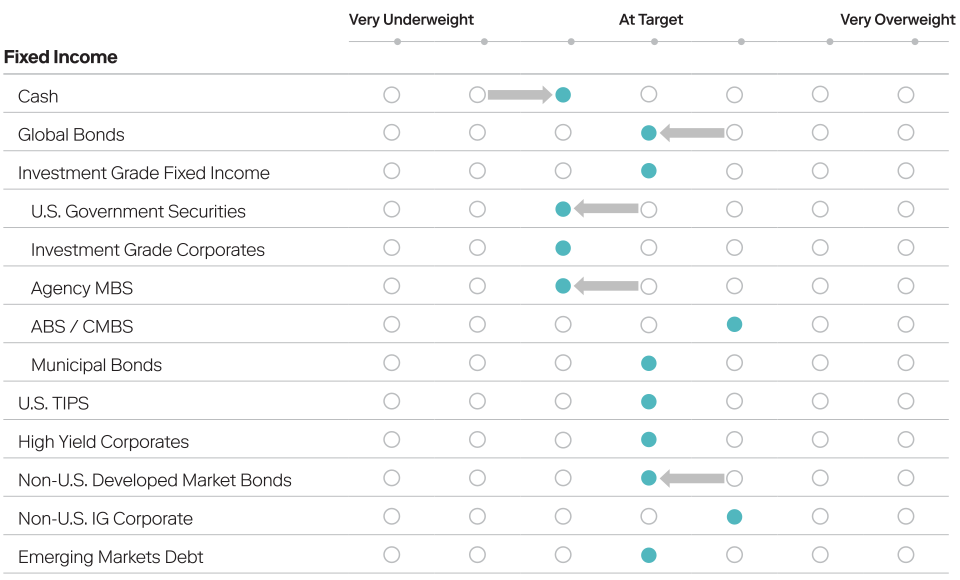
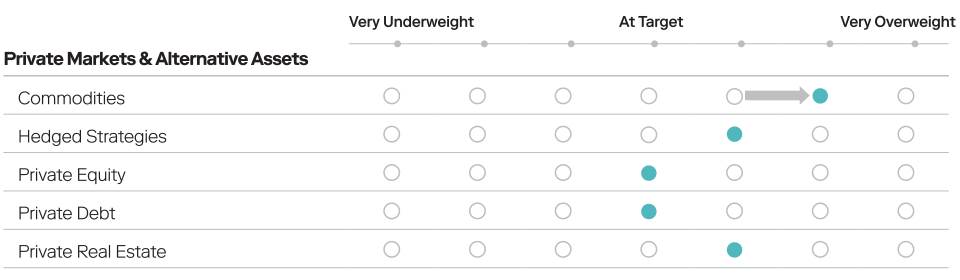
Views shown reflect near-term tactical asset allocation views and are based on a hypothetical reference portfolio. Nothing herein constitutes a recommendation, investment advice or a suggestion to engage in or refrain from any investment-related course of action. See disclosures at the end of this publication, which include additional information regarding the Asset Allocation Committee and the views expressed.