Key Observations
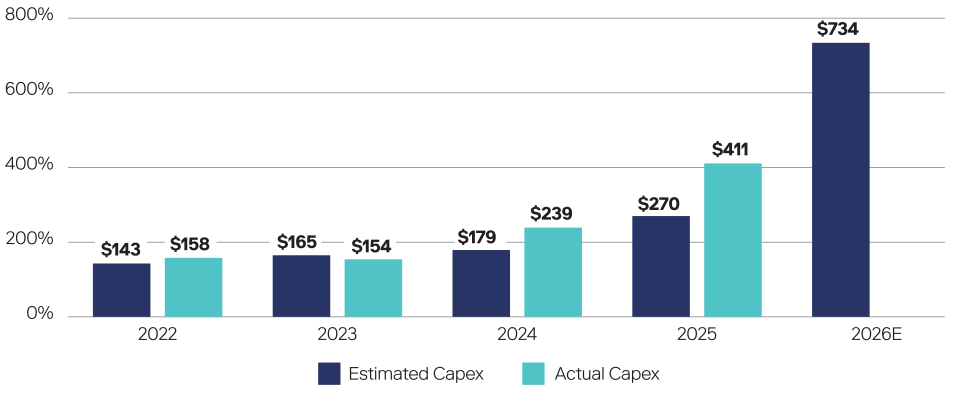
- Macro—AI Is No Longer a Sector Story; It Is Defining the Cycle: The AI buildout has evolved from a pure technology theme to driving a full macro cycle. Hyperscaler spending remains the center of gravity, but the impulse is now spreading into power, utilities, industrials, data centers, grid infrastructure, semiconductors, copper and other real assets. The demand for capital is enormous, and it interacts directly with real rates, credit formation, consumer wealth effects and global manufacturing. The key debate is no longer whether AI matters, but whether the investment cycle can broaden fast enough to justify the capital being deployed.
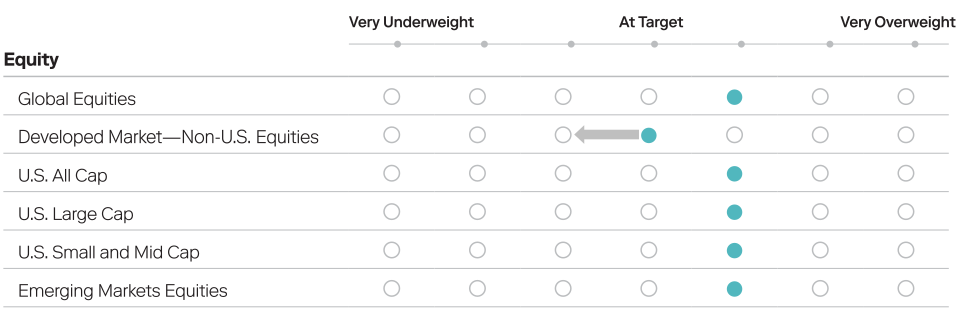
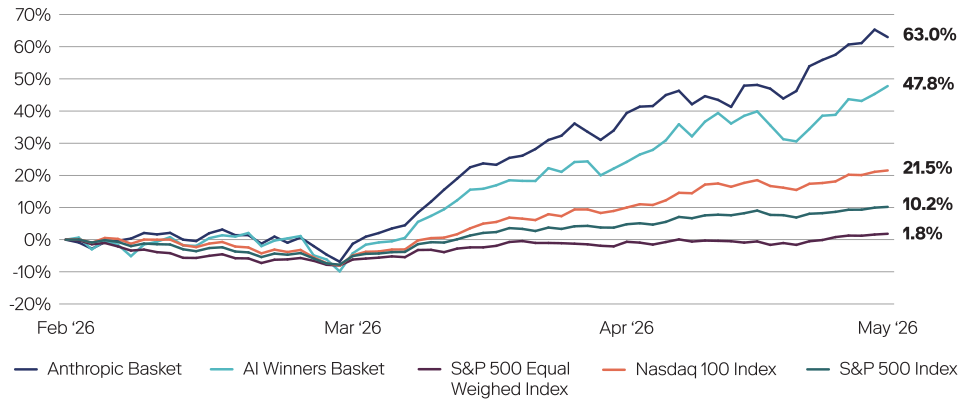
- Equities—Stay Overweight But Acknowledge the Risk of Air Pockets: We maintain an overweight to global equities, anchored in a structural view that the AI capital expenditure cycle is broadening, while earnings growth is robust and buyback activity runs at historic highs. Near-term risks are real, including extended momentum in AI names, potential IPO overhangs, and seasonal headwinds. But these do not override our medium-term conviction.
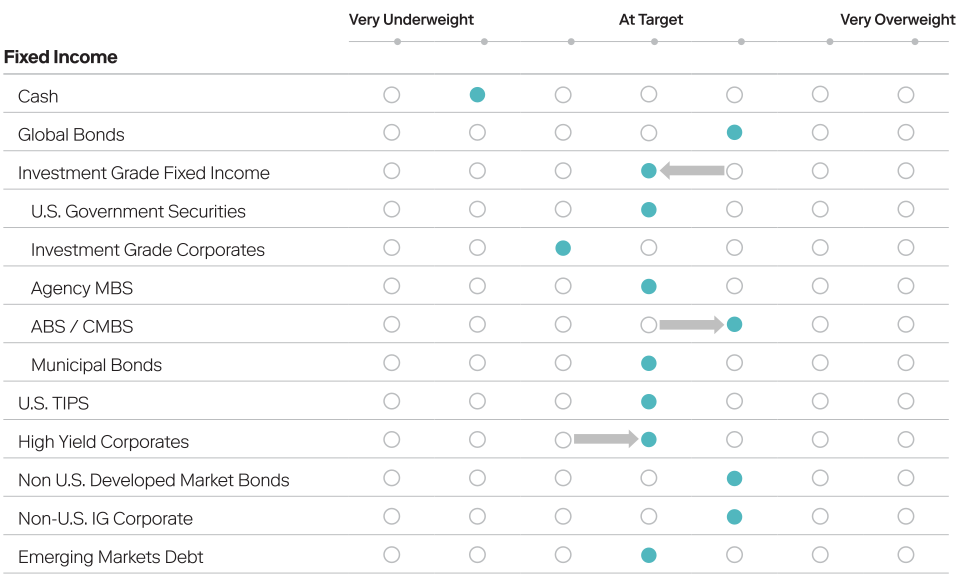
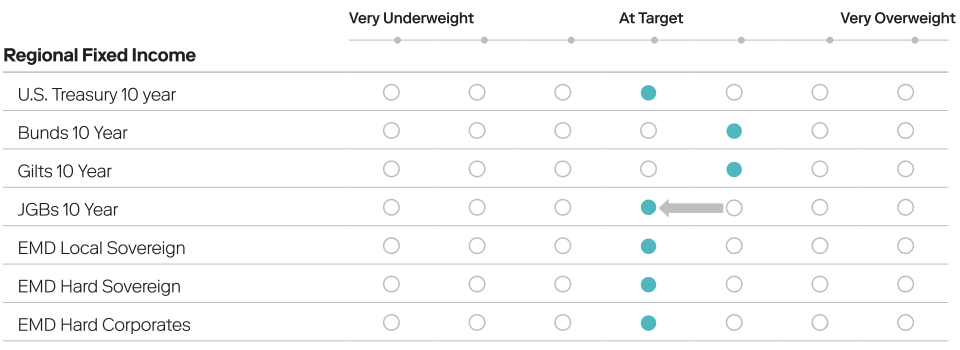
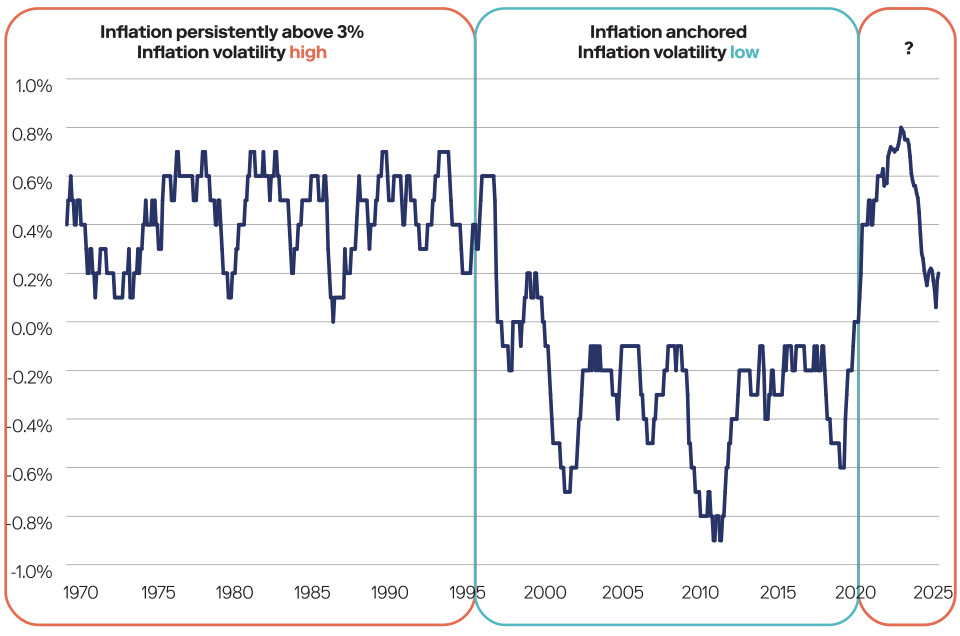
- Fixed Income—Real Rates, Not Inflation, Are Driving the Market: U.S. 10-year yields are up significantly year-to-date, and the move has been driven almost entirely by rising real rates rather than inflation expectations. U.S. real yields remain below what we would consider a danger zone for risk assets, but the direction of travel matters. Credit remains fundamentally supported, though spreads are tight.
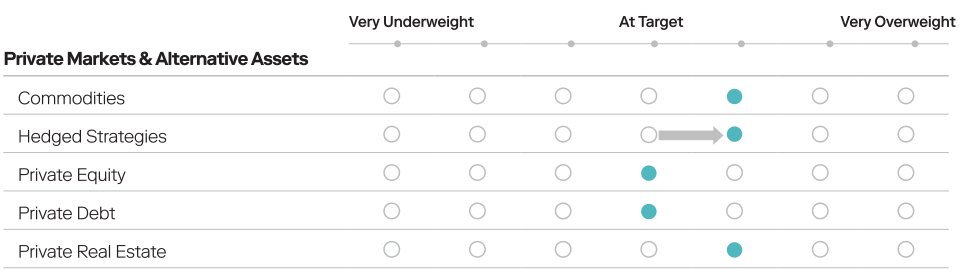
- Private Markets & Alternatives—Diversification Has to Work Harder: With equity-bond correlations less reliable for diversification, we upgraded hedged strategies to overweight and remain overweight commodities. In private markets, we believe secondaries, capital solutions and midlife co-investments remain the most compelling areas. Private credit offers better new-deal terms but remains a target-weight allocation.
Executive Summary
The Asset Allocation Committee enters the third quarter with a continued pro-risk posture, maintaining our overweight to global equities and U.S. large cap equities. The position is supported by the view that the AI capital spending cycle remains in its early to middle innings and is broadening into industrial, utility, infrastructure and manufacturing channels. Earnings expectations remain robust, buybacks are historically strong, and credit markets are not signaling the kind of deterioration that typically precedes a deeper equity downturn.
That said, we identify meaningful internal tensions within the current cycle. AI is now supporting corporate capex, equity market wealth effects and parts of consumer spending, creating a circularity that deserves monitoring. Real rates are rising as capital demand accelerates. Momentum in AI-linked equities is extended. Mega-cap private companies moving toward public markets could create equity supply pressure. And traditional portfolio hedges may be less reliable if bonds and equities become more positively correlated.
The resulting posture is one of growing selectivity rather than leaning into pure risk betas: we therefore maintain an overweight to equities, favor carry in fixed income, upgrade hedged strategies, maintain commodities exposure, and use volatility as an opportunity to rebalance.
Market Views
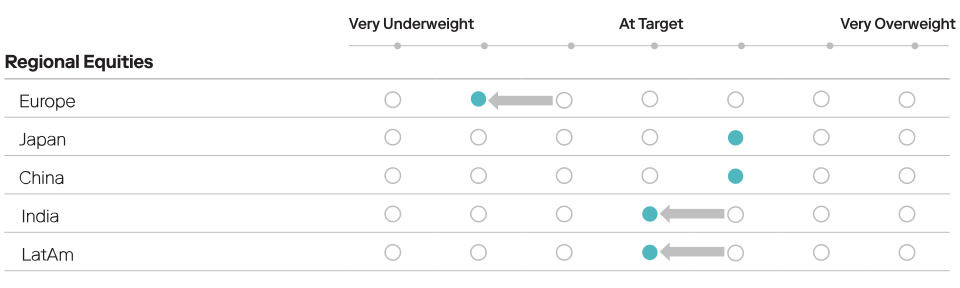
Based on Six- to 12-Month Outlook for Each Asset Class as of 3Q 2026
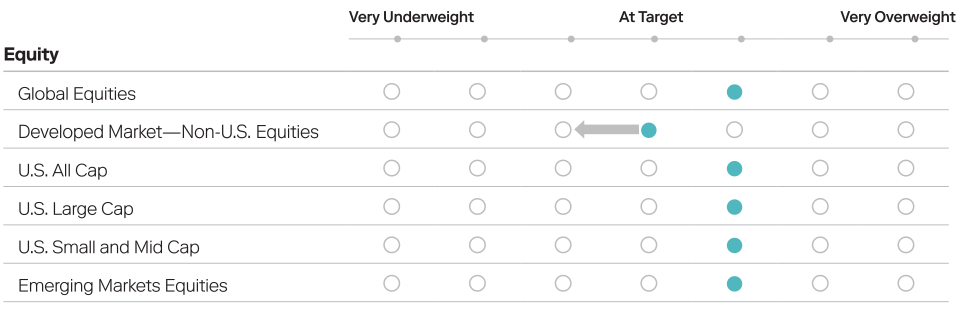
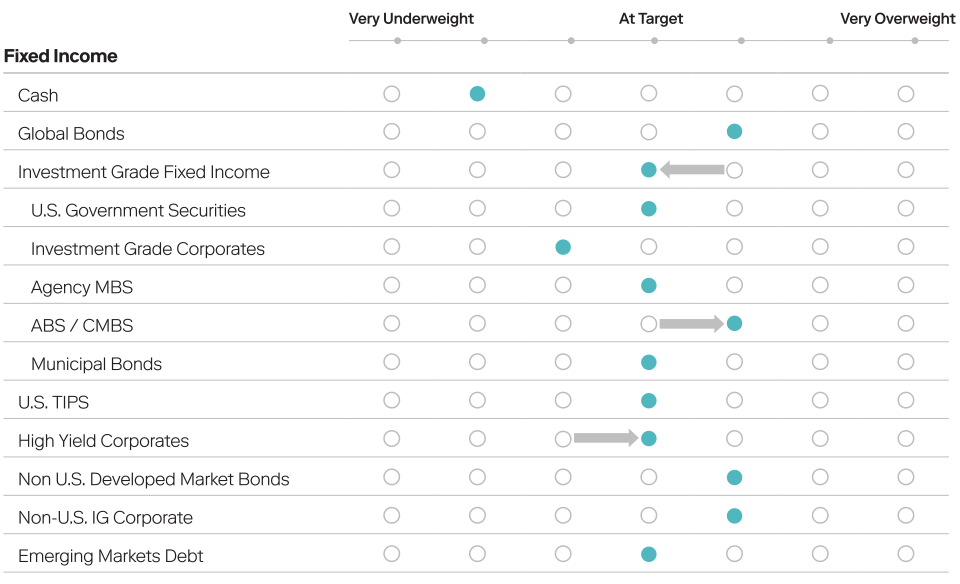
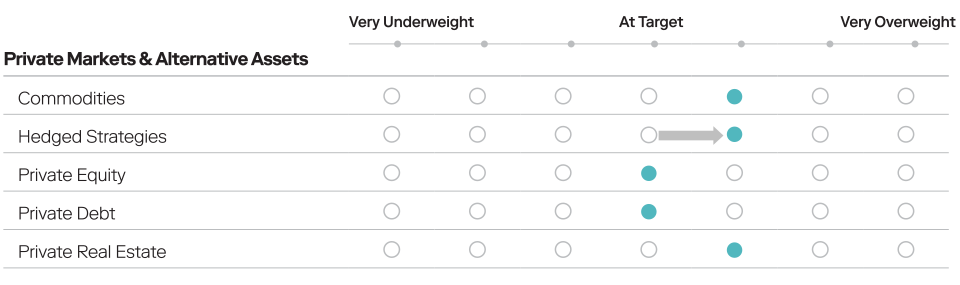
Views shown reflect near-term tactical asset allocation views and are based on a hypothetical reference portfolio. Nothing herein constitutes a recommendation, investment advice or a suggestion to engage in or refrain from any investment-related course of action. See disclosures at the end of this publication, which include additional information regarding the Asset Allocation Committee and the views expressed.